
NHTSA ID Number: 10163017
Manufacturer Communication Number: 02-163-16R
Summary
This Service Information bulletin provides new inspection and repair procedures for AVCS (Active Valve Control System) -related DTCs on the FA and FB engine equipped models listed above. The applicable Service Manuals will be revised with this new information in the near future.

INTRODUCTION:
This Service Information bulletin provides new inspection and repair procedures for AVCS (Active Valve Control System) -related DTCs on the FA and FB engine equipped models listed above. The applicable Service Manuals will be revised with this new information in the near future.
NOTE: The diagnostics included in this bulletin are applicable to all models listed EXCEPT 2019MY Forester, Ascent and 2020MY Legacy and Outback. For these 2019MY and later vehicles, ONLY the Chapter 7 table included on page 27 is applicable.
CHAPTER 1: DTCs and their Descriptions which will be covered in this bulletin:
| DTC | DESCRIPTION |
| P000A | “A” CAMSHAFT POSITION SLOW RESPONSE BANK1 |
| P000B | “B” CAMSHAFT POSITION SLOW RESPONSE BANK1 |
| P000C | “A” CAMSHAFT POSITION SLOW RESPONSE BANK2 |
| P000D | “B” CAMSHAFT POSITION SLOW RESPONSE BANK2 |
| P0011 | “A” CAMSHAFT POSITION-TIMING OVER ADVANCED OR SYSTEM PERFORMANCE BANK1 |
| P0014 | “B” CAMSHAFT POSITION-TIMING OVER ADVANCED OR SYSTEM PERFORMANCE BANK1 |
| P0021 | “A” CAMSHAFT POSITION-TIMING OVER ADVANCED OR SYSTEM PERFORMANCE BANK2 |
| P0024 | “B” CAMSHAFT POSITION-TIMING OVER ADVANCED OR SYSTEM PERFORMANCE BANK2 |
| P0016 | CRANKSHAFT POSITION-CAMSHAFT POSITION CORRELATION BANK1, SENSOR A |
| P0017 | CRANKSHAFT POSITION-CAMSHAFT POSITION CORRELATION BANK1, SENSOR B |
| P0018 | CRANKSHAFT POSITION-CAMSHAFT POSITION CORRELATION BANK2, SENSOR A |
| P0019 | CRANKSHAFT POSITION-CAMSHAFT POSITION CORRELATION BANK2, SENSOR B |
CHAPTER 2: Inspection and Repair Procedures:
The actual Troubleshooting Charts (CHAPTER 3) referenced in Tables 2-1 and 2-2 below begin on Page 3.
Table 2-1: For DTCs P000A, P000B, P000C, P000D, P0011, P0014, P0021, P0024:
| Model | Engine | MY | Use Troubleshooting Chart Number: |
| LEGACY/ OUTBACK | 2.5L NA | 13MY and after | (1). P000A, P0011 |
| IMPREZA | 2.0L NA | 12MY and after | |
| XV | 2.0L NA | 13MY and after | |
| FORESTER | 2.5L NA | 11MY and after | |
| 2.0L DIT | 14MY and after | ||
| WRX | 2.0L DIT | 15MY and after | |
| BRZ | 2.0L DI NA | 13MY and after |
Table 2-2: For DTCsP0016, P0017, P0018 and P0019:
| Model | Engine | MY | VVT Initial Position Learning Value | VVT Adv. Angle Amount | Use Troubleshooting Chart Number: | |
| Readability? | Method | Standard Angle Data | ||||
| LEGACY/ OUTBACK | 2.5L
NA | 13MY to current | Yes | SSM
Data Monitor | 0 deg. | (2)-1. P0016 General |
| IMPREZA |
2.0L | 14MY to current | Yes | SSM
Data Monitor | 0 deg. | (2)-1. P0016 General |
| NA
| 12MY and 13MY | No | None | 0 deg. | (2)-4. P0016 for No Learning Value | |
| XV | 2.0L NA | 14MY to current | Yes | SSM
Data Monitor | 0 deg. | (2)-1. P0016 General |
| 13MY | No | None | 0 deg. | (2)-4. P0016 for No Learning Value | ||
| FORESTER | 2.5L NA | 14MY to current | Yes | SSM
Data Monitor | 0 deg. | (2)-1. P0016 General |
| 2011, 12 and 13MY | No | None | 0 deg. | (2)-4. P0016 for No Learning Value | ||
|
2.0L DIT
| 16MY to current | Yes | SSM
Data Monitor | 0 deg. | (2)-1. P0016 General | |
| 14MY and 15MY | Yes | SSM
Data Monitor | 27 deg. | (2)-2. P0016 for 27deg | ||
| WRX | 2.0L DIT | 15MY to current | Yes | SSM
Data Monitor | 0 deg. | (2)-1. P0016 General |
| BRZ | 2.0L NA | 13MY to current | Yes | SSM
Work Support | 0 deg. | (2)-3. P0016 for Work Support |
IMPORTANT NOTES AND REMINDERS:
- When directed to replace the engine oil and filter, always use the specified viscosity. DO NOT supplement the engine oil with any additives.
- When installing new cam carrier oil filters, use caution to not press them into the cam carriers any deeper than flush with the machined cylinder head mating surface.
- The wiring connector chart referenced throughout the Troubleshooting Charts (CHAPTER 8) is found at the end of this TSB.
CHAPTER 3: Troubleshooting Charts
In PDF Bellow…
51 Affected Products
Vehicles
| MAKE | MODEL | YEAR |
| SUBARU | ASCENT | 2019 |
| SUBARU | BRZ | 2013-2019 |
| SUBARU | CROSSTREK | 2013-2019 |
| SUBARU | FORESTER | 2011-2019 |
| SUBARU | IMPREZA | 2012-2019 |
| SUBARU | LEGACY | 2013-2019 |
| SUBARU | OUTBACK | 2013-2019 |
| SUBARU | WRX | 2015-2019 |
1 Associated Document
Manufacturer Communications
NUMBER: 02-163-16R
DATE: 08/12/16
REVISED: 06/27/19
MC-10163017-9999.pdf 4048.75KB
NHTSA ID Number: 10160490
Manufacturer Communication Number: 02-163-16R
Summary
This Service Information bulletin provides new inspection and repair procedures for AVCS (Active Valve Control System) -related DTCs on the FA and FB engine equipped models listed above. The applicable Service Manuals will be revised with this new information in the near future.
1 Associated Document
Manufacturer Communications
NUMBER: 02-163-16R
DATE: 08/12/16
REVISED: 03/08/19
MC-10160490-9999.pdf 4045.196KB
NHTSA ID Number: 10182589
Manufacturer Communication Number: 216316
Summary
This Service Information bulletin provides new inspection and repair procedures for AVCS (Active Valve Control System) -related DTCs on the FA and FB engine equipped models listed above. The applicable Service Manuals will be revised with this new information in the near future.
1 Associated Document
Manufacturer Communications
NUMBER: 02-163-16
DATE: 08/12/16
MC-10182589-9999.pdf 1994.643KB

- OE-Level diagnostics on your smart device
- FREE Software updates - No subscriptions, no fees – EVER
- Full bi-directional control, live actuation test
- Supports 23 vehicle reset/relearn functions, including throttle matching, ABS bleeding, TPMS reset, etc.
- Live data mapping and freeze frame capturing

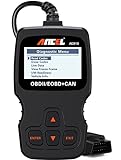
- CEL Doctor: The ANCEL AD310 is one of the best-selling OBD II scanners on the market and is recommended by Scotty Kilmer, a YouTuber and auto mechanic. It can easily determine the cause of the check engine light coming on. After repairing the vehicle's problems, it can quickly read and clear diagnostic trouble codes of emission system, read live data & hard memory data, view freeze frame, I/M monitor readiness and collect vehicle information
- Sturdy and Compact: Equipped with a 2.5 foot cable made of very thick, flexible insulation. It is important to have a sturdy scanner as it can easily fall to the ground when working in a car. The AD310 OBD2 scanner is a well-constructed mechanic tool with a sleek design. It weighs 12 ounces and measures 8.9 x 6.9 x 1.4 inches. Thanks to its compact design and light weight, transporting the device is not a problem. The buttons are clearly labelled and the screen is large and displays results clearly
- Accurate Fast and Easy to Use: The AD310 scanner can help you or your mechanic understand if your car is in good condition, provides exceptionally accurate and fast results, reads and clears engine trouble emission codes in seconds after you fixed the problem. This device will let you know immediately and fix the problem right away without any car knowledge. No need for batteries or a charger, get power directly from the OBDII Data Link Connector in your vehicle
- OBDII Protocols and Car Compatibility: Many cheap scan tools do not really support all OBD2 protocols. AD310 scanner as it can support all OBDII protocols such as KWP2000, J1850 VPW, ISO9141, J1850 PWM and CAN. This device also has extensive vehicle compatibility with 1996 US-based, 2000 EU-based and Asian cars, light trucks, SUVs, as well as newer OBD2 and CAN vehicles both domestic and foreign. Pls confirm with our customer service whether it is compatible with your vehicle before purchasing
- Home Necessity and Worthy to Own: This is an excellent code reader to travel or home with as it weighs less and it is compact in design. You can easily slide it in your backpack as you head to the garage, or put it on the dashboard, this will be a great fit for you. The AD310 is not only portable, but also accurate and fast in performance. Moreover, it covers various car brands and is suitable for people who just need a code reader to check their car

- MAINTAIN PEAK PERFORMANCE AND SAFETY ON THE ROAD - Easily find and fix the problem with your vehicle using the INNOVA 5610 bidirectional scan tool. This OBD2 scanner diagnostic tool provides real-time solutions to troubleshoot issues. Access OBD2 and OEM live data with ease, making it an essential car scanner diagnostic tool. Perfect for those seeking reliable car diagnostic scanner and code readers & scan tools for vehicles.
- PRO-LEVEL FUNCTIONALITIES - Use the INNOVA 5610’s Enhanced Data Stream to view live data for advanced systems like ABS, SRS, transmission, and engine. The Special Reset Function lets you use dealership-level re-learn procedures. This car diagnostic scanner is ideal for those needing a bidirectional scan tool or mechanic tools automotive for professional repairs. Compatible with select vehicle makes and models; not universal.
- COMMAND WITH BIDIRECTIONAL CONTROLS - The INNOVA 5610 bidirectional scan tool sends commands to test functions such as fuel pump on/off or retracting the electronic parking brake. With this car scanner diagnostic for all cars, you can operate like a pro. Ideal for those seeking a car code reader and reset tool or advanced fixd car diagnostic tool capabilities. Compatible with select vehicle makes and models; not universal.
- EASY TO USE - The INNOVA 5610 OBD2 scanner diagnostic tool supports English, Spanish, and French. Easily use this scanner for car on most 1996 - 2023 (2024 coming soon) OBD2 vehicles to verify repairs. Designed for ease of operation, it’s a dependable code reader for cars and trucks and check engine code reader. To confirm vehicle coverage, please utilize Innova's Coverage Checker.
- BUY AND DRIVE WITH CONFIDENCE - Backed by ASE-Certified support, this car scanner pairs with the RepairSolutions2 app, trusted by 4M users, for wireless OBD scanner functionality. With free updates and no subscription fees, this durable car computer diagnostic reader ensures you’re prepared for any repair. A must-have diagnostic scanner for vehicles.

- 2026 Advanced ECU Coding Scan Tool: Maximize the capabilities of your vehicles with the ArtiDiag Pro. This scan tool, seamlessly compatible with renowned models such as VW, A-U-D-I, SKODA, SEAT, BENZ, and more, empowers you to uncover hidden features, deactivate annoying functions, and code retrofitted components for peak performance. Ensure a backup before coding and steer clear of problems on low battery levels.
- Efficient Diagnostics with Bidirectional Control: Say goodbye to uncertainty, streamline diagnostics, and reclaim valuable time with ArtiDiag Pro scan tool. This bidirectional scan tool exceeds expectations, enabling targeted tests on individual actuators to swiftly identify and resolve issues. Covering lights, door locks, fuel and coolant systems, windows, wipers, EVAP, and more in vehicle components.
- 35+ Services Resolve 90% of Repair Challenges: Unleash maximum productivity with the ArtiDiag Pro, a scan tool that tackles 90% of maintenance issues through its 35 special functions. Effortlessly clear oil maintenance indicators with oil reset. Engage the EPB Reset for brake system management and establish precise alignment with the Steering Angle Reset to define the straight-line reference position for your vehicle.
- FCA Autoauth : This diagnostic tool supports Autoauth for FCA SGW/Renault, Chrysler, Jeep, Dodge, Fiat etc. 2017 and later. NOTE: Due to Product Upgrade, there is no Chrysler 12+8 adapter, the BMW-20 Adapter in the package any more. We are sincerely sorry for the inconvenience. NOTE: Please confirm compatibility before purchase.(Topdon Website>Support>Vehicle Coverage)
- Professional Customer Support: At TOPDON, your satisfaction is our unwavering commitment. Experience hassle-free support and a lifetime of expert assistance. Should you encounter any challenges, reach out to us at 833-629-4832. For returns, please damage the packaging to prevent Amazon from reselling it. Please be advised that after two years, a subscription fee of 249 Bucks will apply.
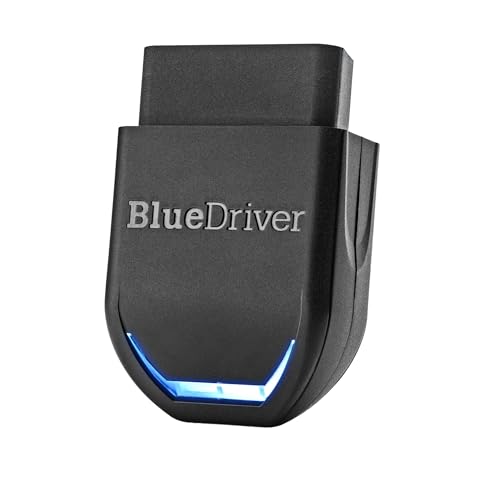
- [Diagnose Like a Pro] BlueDriver Pro Next-Gen is a professional OBD2 scanner and diagnostic tool that helps you scan, understand, and clear vehicle trouble codes with confidence. Turn your phone into a powerful car diagnostic scanner—no guesswork, no unnecessary repairs.
- [Read and Clear More Codes Than Ever] Read and clear more codes than basic car code readers. Access enhanced diagnostics for Check Engine, ABS, SRS, Airbag, TPMS, Transmission, and more on supported vehicles, including expanded coverage on newer model years.
- [Verified Fixes and Real-Time Data] Get unlimited, technician-verified repair reports matched to your VIN, with definitions, causes, and confirmed fixes. Monitor live vehicle data as you drive, view freeze frames, check smog readiness, and analyze Mode 6 test results.
- [Expanded Make & Model Coverage] Optimized for today’s vehicles with strong support for GM, Ford, Stellantis (RAM, Jeep, Chrysler), Toyota, Honda, Nissan, Mazda, Subaru, Hyundai, Mercedes-Benz, BMW, and VW. Enhanced communication on select 2024+ Nissan and Mazda models (see compatibility chart).
- [Gas Vehicles 1996+ & Select Light-Duty Trucks] Works with all gas-powered vehicles made in 1996 or newer, plus select light-duty trucks and diesels, including F-250, RAM 2500, Silverado, and Sierra. Built for daily drivers, family vehicles, and real-world truck use.
SEOCONTENT-START
Bulletin Number: 02-163-16R; Revised: 06/27/19 Page 1 Continued… CAUTION: VEHICLE SERVICING PERFORMED BY UNTRAINED PERSONS COULD RESULT IN SERIOUS INJURY TO THOSE PERSONS OR TO OTHERS. Subaru Service Bulletins are intended for use by professional technicians ONLY. They are written to inform those technicians of conditions that may occur in some vehicles, or to provide information that could assist in the proper servicing of the vehicle. Properly trained technicians have the equipment, tools, safety instructions, and know-how to do the job correctly and safely. If a condition is described, DO NOT assume that this Service Bulletin applies to your vehicle, or that your vehicle will have that condition. SUBARU OF AMERICA, INC. IS ISO 14001 COMPLIANT ISO 14001 is the international standard for excellence in Environmental Management Systems. Please recycle or dispose of automotive products in a manner that is friendly to our environment and in accordance with all local, state and federal laws and regulations. NUMBER: 02-163-16R DATE: 08/12/16 REVISED: 06/27/19 APPLICABILITY: 2013MY to Current Legacy and Outback 2.5L Models 2012MY to Current Impreza 2.0L Models 2013MY to Current XV Crosstrek 2011MY to Current Forester 2.5L Models 2014MY to Current Forester 2.0L DIT Models 2015MY to Current WRX 2013MY to Current BRZ 2019MY Ascent SUBJECT: Inspection and Repair Procedures for AVCS-Related DTCs INTRODUCTION: This Service Information bulletin provides new inspection and repair procedures for AVCS (Active Valve Control System) -related DTCs on the FA and FB engine equipped models listed above. The applicable Service Manuals will be revised with this new information in the near future. NOTE: The diagnostics included in this bulletin are applicable to all models listed EXCEPT 2019MY Forester, Ascent and 2020MY Legacy and Outback. For these 2019MY and later vehicles, ONLY the Chapter 7 table included on page 27 is applicable. CHAPTER 1: DTCs and their Descriptions which will be covered in this bulletin: DTC DESCRIPTION P000A “A” CAMSHAFT POSITION SLOW RESPONSE BANK1 P000B “B” CAMSHAFT POSITION SLOW RESPONSE BANK1 P000C “A” CAMSHAFT POSITION SLOW RESPONSE BANK2 P000D “B” CAMSHAFT POSITION SLOW RESPONSE BANK2 P0011 “A” CAMSHAFT POSITION-TIMING OVER ADVANCED OR SYSTEM PERFORMANCE BANK1 P0014 “B” CAMSHAFT POSITION-TIMING OVER ADVANCED OR SYSTEM PERFORMANCE BANK1 P0021 “A” CAMSHAFT POSITION-TIMING OVER ADVANCED OR SYSTEM PERFORMANCE BANK2 P0024 “B” CAMSHAFT POSITION-TIMING OVER ADVANCED OR SYSTEM PERFORMANCE BANK2 P0016 CRANKSHAFT POSITION-CAMSHAFT POSITION CORRELATION BANK1, SENSOR A P0017 CRANKSHAFT POSITION-CAMSHAFT POSITION CORRELATION BANK1, SENSOR B P0018 CRANKSHAFT POSITION-CAMSHAFT POSITION CORRELATION BANK2, SENSOR A P0019 CRANKSHAFT POSITION-CAMSHAFT POSITION CORRELATION BANK2, SENSOR B ‘ SERVICE BULLETIN ATTENTION: GENERAL MANAGER q PARTS MANAGER q CLAIMS PERSONNEL q SERVICE MANAGER q IMPORTANT – All Service Personnel Should Read and Initial in the boxes provided, right. ©2016 Subaru of America, Inc. All rights reserved. Bulletin Number: 02-163-16R; Revised: 06/27/19 Page 2 CHAPTER 2: Inspection and Repair Procedures: The actual Troubleshooting Charts (CHAPTER 3) referenced in Tables 2-1 and 2-2 below begin on Page 3. Table 2-1: For DTCs P000A, P000B, P000C, P000D, P0011, P0014, P0021, P0024: Model Engine MY Use Troubleshooting Chart Number: LEGACY/ OUTBACK 2.5L NA 13MY and after (1). P000A, P0011 IMPREZA 2.0L NA 12MY and after XV 2.0L NA 13MY and after FORESTER 2.5L NA 11MY and after 2.0L DIT 14MY and after WRX 2.0L DIT 15MY and after BRZ 2.0L DI NA 13MY and after Table 2-2: For DTCsP0016, P0017, P0018 and P0019: Model Engine MY VVT Initial Position Learning Value VVT Adv. Angle Amount Use Troubleshooting Chart Number: Readability? Method Standard Angle Data LEGACY/ OUTBACK 2.5L NA 13MY to current Yes SSM Data Monitor 0 deg. (2)-1. P0016 General IMPREZA 2.0L 14MY to current Yes SSM Data Monitor 0 deg. (2)-1. P0016 General NA 12MY and 13MY No None 0 deg. (2)-4. P0016 for No Learning Value XV 2.0L NA 14MY to current Yes SSM Data Monitor 0 deg. (2)-1. P0016 General 13MY No None 0 deg. (2)-4. P0016 for No Learning Value FORESTER 2.5L NA 14MY to current Yes SSM Data Monitor 0 deg. (2)-1. P0016 General 2011, 12 and 13MY No None 0 deg. (2)-4. P0016 for No Learning Value 2.0L DIT 16MY to current Yes SSM Data Monitor 0 deg. (2)-1. P0016 General 14MY and 15MY Yes SSM Data Monitor 27 deg. (2)-2. P0016 for 27deg WRX 2.0L DIT 15MY to current Yes SSM Data Monitor 0 deg. (2)-1. P0016 General BRZ 2.0L NA 13MY to current Yes SSM Work Support 0 deg. (2)-3. P0016 for Work Support IMPORTANT NOTES AND REMINDERS: • When directed to replace the engine oil and filter, always use the specified viscosity. DO NOT supplement the engine oil with any additives. • When installing new cam carrier oil filters, use caution to not press them into the cam carriers any deeper than flush with the machined cylinder head mating surface. • The wiring connector chart referenced throughout the Troubleshooting Charts (CHAPTER 8) is found at the end of this TSB. Continued… Bulletin Number: 02-163-16R; Revised: 06/27/19 Page 3 CHAPTER 3: Troubleshooting Charts (1). P000A, P0011 Troubleshooting for P000A, B, C or D / P0011, 14, 21 or 24 LEGACY / OUTBACK 2.5L: 13MY and after IMPREZA: 12MY and after XV: 13MY and after FORESTER 2.5L NA: 11MY and after FORESTER 2.0L DIT: 14MY and after WRX: 15MY and after BRZ: 13MY and after Step Check YES NO 1 Check the DTC Is there any DTC other than P000A, B, C or D / P0011, 14, 21 or 24? Go to the applicable DTC troubleshooting. Save the FFD. Go to step 2. 2 Check the engine oil condition. Does the oil level gauge show out of range? Is the oil excessively dirty? Is the oil clotted due to use of additives? Is undesignated viscosity oil used? Correct the oil level. Replace the engine oil and oil filter. Go to step 3. Go to step 3. 3 Is the car is fixed? 1) Replace the oil control valve with a brand new one. 2) Clear the memory using SSM. 3) Perform the drive cycle. (Refer to Chapter 5.) 4) Read the “AVCS diagnostic value” by using SSM. Please refer to Chapter 6 to read out MODE$06. Is the diagnostic value of applicable AVCS ≧ 1000? If the value is less than 1000, is the value definitely greater than the opposite side AVCS value (more than 1.5 times the opposite side value +100)? SEE “APPENDIX A” AT THE END OF CHAPTER 3 If the value is 0, the diagnosis process has not yet completed. Continue to perform a drive cycle without stopping the engine. * The diagnostic value is updated repeatedly, therefore, please watch it while having an assistant test drive the vehicle. Go to step 4. Change the engine oil. Idle the engine for 5 minutes. Change the engine oil and the oil filter. END 4 Check the harness. Is there a poor contact among the oil control valve, cam angle sensor, crank angle sensor and ECU? -Is there any damage on the connector pin of oil control valve, cam angle sensor, crank angle sensor or ECU? – Are following resistances more than 1Ω: Between the oil control valve and the ECU Between the cam angle sensor and the ECU Between the crank angle sensor and the ECU? (Connector Numbers are found in Chapter 8.) Repair the problem. Go to step 5. Go to step 6. 5 Is the car is fixed? 1) Clear the memory by using SSM. 2) Perform the drive cycle. (Refer to Chapter 5) 3) Read the “AVCS diagnostic value” by using SSM. Please refer to Chapter 6 to read out MODE$06. Is the diagnostic value of applicable AVCS ≧ 1000? If the value is less than 1000, is the value definitely greater than the opposite side AVCS value (more than 1.5 times the opposite side value +100)? SEE “APPENDIX A” AT THE END OF CHAPTER 3 If the value is 0, the diagnosis process has not yet completed. Continue to perform a drive cycle without stopping the engine. * The diagnostic value is updated repeatedly, therefore, please watch it while having an assistant test drive the vehicle. Go to step 6. END Continued… Bulletin Number: 02-163-16R; Revised: 06/27/19 Page 4 6 Check the engine oil pressure. Is the engine oil pressure lower than specification? Go to step 7. Replace the chain cover with a new one after the inspection is completed. Go to step 7. 7 Check the oil passages in the chain cover. Is there any abnormality of the O-rings for the suction and discharge ports of the oil pump? Is there any abnormality of the O-rings for oil passage to both sides of cylinder heads? Is there any damage or contamination with the oil control valve? Is there any contamination in the oil pump ports? NOTE: Do not disassemble the timing chain cover. Repair the problem. Go to step 8. In case of contamination, replace the chain cover with new one after the inspection is completed. Go to step 8. 8 Check the camshaft condition. Remove the timing chain and rotate camshafts. Compare the rotating friction of all 4 camshafts. Is there particular friction in the camshaft which had DTC? Is there any scratch or damage on the surface of the cam journal? Is any additional resistance felt? Compare the intake camshaft with the exhaust camshaft. Is there any scratch or damage on the surface of the cam journal? Replace cam carrier and camshaft with new one. Go to step 9. Go to step 9. 9 Check the oil line between the oil pump and the cam sprocket. Replace the oil filter on the cam carrier. (Don’t reuse) Refer to the applicable section of Service Manual to remove cam carrier. Is there any contamination or clog visually in the cam carrier or cylinder head oil line? Is there any contamination or clog visually in the oil line between the sprocket and the camshaft? (Remove the sprocket from the camshaft.) Is there any contamination or clog visually in the sprocket oil line? Is there any contamination or clog visually in the camshaft oil line? In case of a problem, repair the wrong part and replace cam sprocket with new one. *Don’t apply too much THREE BOND when reassembling. Refer to the applicable section of Service Manual and apply correct type of THREE BOND with proper quantity. *Please do not push in oil filter excessively. The upper end of the oil filter should be flush with the cam carrier. Go to step 10. *Don’t apply too much THREE BOND when reassembling. Refer to the applicable section of Service Manual and apply correct type of THREE BOND with proper quantity. *Please do not push in oil filter excessively. The upper end of the oil filter should be flush with the cam carrier. Go to step 10. Continued… Bulletin Number: 02-163-16R; Revised: 06/27/19 Page 5 10 Check the oil strainer. Is there any debris or contamination in the oil strainer on the oil pan? In case of a problem, remove the debris and clean it. Change the engine oil. Idle the engine for 5 minutes. Change the engine oil and the oil filter. *Don’t apply too much THREE BOND when reassembling. Refer to the applicable section of Service Manual and apply correct type of THREE BOND with proper quantity. Go to step 11. Change the engine oil. Idle the engine for 5 minutes. Change the engine oil and the oil filter. *Don’t apply too much THREE BOND when reassembling. Refer to the applicable section of Service Manual and apply correct type of THREE BOND with proper quantity. Go to step 11. 11 Is the car is fixed? 1) Clear the memory by using SSM. 2) Perform the drive cycle. (Refer to the Chapter 5) 3) Read the “AVCS diagnostic value” by using SSM. Please refer to Chapter 6 to read out MODE$06. Is the diagnostic value of applicable AVCS ≧ 1000? If the value is less than 1000, is the value definitely greater than the opposite side AVCS value (more than 1.5 times the opposite side value +100)? SEE “APPENDIX A” AT THE END OF CHAPTER 3 If the value is 0, the diagnosis process has not yet completed. Continue to perform a drive cycle without stopping the engine. * The diagnostic value is updated repeatedly, therefore, please watch it while having an assistant test drive the vehicle. Replace ECU with new one. END END (2)-1. P0016 General Troubleshooting for P0016, 17, 18 or 19 – No.1 General: Models for SSM “Data Monitor” showing “VVT Initial Position Learning Value” Displayed “VVT Adv. Ang. Amount” at the standard angle is “0 deg.”. LEGACY / OUTBACK 2.5L: 13MY and after IMPREZA / XV: 14MY and after FORESTER 2.5L NA: 14MY and after FORESTER 2.0L Turbo: 16MY and after WRX: 15MY and after Step Check YES NO 1 Check the DTC Is there any DTC other than P0016, 17, 18 or 19? Go to the concerned DTC troubleshooting. Save the FFD. Go to step 2. 2 Check the engine oil condition. Does the oil level gauge show out of range? Is the oil excessively dirty? Is the oil clotted due to use of additives? Is undesignated viscosity oil used? Correct the oil level. Replace the engine oil and oil filter. Go to step 3. Go to step 3. Continued… Bulletin Number: 02-163-16R; Revised: 06/27/19 Page 6 3 Check the chain timing. 1) Clear the memory by using SSM. 2) Disconnect the oil control valve connector. DTC comes on but there is no problem for this check process. 3) Start the engine and check the “VVT Adv. Ang. Amount” at idle within 10 sec. from starting the engine by using SSM. (Refer to 4.1 in Chapter 4) Does “VVT Adv. Ang. Amount” have more than ± 10deg difference from the reference value (0 deg.)? – Connect the connector after the check. – Record the “VVT Adv. Ang. Amount” because the step below uses the value. *Detailed process 1. Clear the memory by using SSM. 2. Disconnect the applicable AVCS connector which had the DTC. 3. Turn IG on and start monitor the AVCS advance timing value which is the item “VVT Adv. Ang. Amount” in the SSM. 4. Start engine and read out “VVT Adv. Ang. Amount” within 10 sec. (The value changes to “0” after 10 sec) 5. Stop the engine. Correct the chain timing. Go to step 12. Go to step 4. 4 Is the car is fixed? 1) Replace the oil control valve with a brand new one. 2) Clear the memory by using SSM. 3) Perform the drive cycle. (Refer to the 6th chapter) 4) Read the “AVCS diagnostic value” by using SSM. Please refer to Chapter 6 to read out MODE$06. Is the diagnostic value of applicable AVCS ≧ 1000? If the value is less than 1000, is the value definitely greater than the opposite side AVCS value (more than 1.5 times the opposite side value +100)? SEE “APPENDIX A” AT THE END OF CHAPTER 3 If the value is 0, the diagnosis process has not yet completed. Continue to perform a drive cycle without stopping the engine. * The diagnostic value is updated repeatedly, therefore, please watch it while having an assistant test drive the vehicle. Go to step 5. Change the engine oil. Idle the engine for 5 minutes. Change the engine oil and the oil filter. Go to step 12. 5 Check the harness. Is there a poor contact among the oil control valve, cam angle sensor, crank angle sensor and ECU? – Is there any damage on the connector pin of oil control valve, cam angle sensor, crank angle sensor or ECU? – Are the following resistances more than 1Ω? Between the oil control valve and the ECU. Between the cam angle sensor and the ECU. Between the crank angle sensor and the ECU. *Connector Numbers are found in Chapter 8. Repair the problem. Go to step 6. Go to step 7. 6 Is the car is fixed? 1) Clear the memory by using SSM. 2) Perform the drive cycle. (Refer to the 6th chapter) 3) Read the “AVCS diagnostic value” by using SSM. Please refer to Chapter 6 to read out MODE$06. Is the diagnostic value of applicable AVCS ≧ 1000? If the value is less than 1000, is the value definitely greater than the opposite side AVCS value (more than 1.5 times the opposite side value +100)? SEE “APPENDIX A” AT THE END OF CHAPTER 3 If the value is 0, the diagnosis process has not yet completed. Continue to perform a drive cycle without stopping the engine. * The diagnostic value is updated repeatedly, therefore, please watch it while having an assistant test drive the vehicle. Go to step 7. Go to step 12. 7 Check engine oil pressure. Is the engine oil pressure lower than specification? Go to step 8. Replace the chain cover with new one after the inspection is completed. Go to step 8. Continued… Bulletin Number: 02-163-16R; Revised: 06/27/19 Page 7 8 Check the oil passages in the chain cover. Is there any abnormality of the O-ring for suction port and discharge port of the oil pump? Is there any abnormality of the O-rings for oil passage to both sides of cylinder heads? Is there any damage or contamination with the oil control valve? Is there any contamination in the oil pump ports? NOTE: Do not disassemble the timing chain cover. Repair the problem. Go to step 9. In case of contamination, replace the chain cover with new one after the inspection is completed Go to step 9. 9 Check the camshaft condition. Remove the timing chain and rotate camshafts. Compare the rotating friction of all 4 camshafts. Is there particular friction in the camshaft which had DTC? Is there any scratch or damage on the surface of the cam journal? Is any additional resistance felt? Compare the intake camshaft with the exhaust camshaft. Is there any scratch or damage on the surface of the cam journal? Replace Cam carrier and camshaft with new one. Go to step 10. Go to step 10. 10 Check the oil line between the oil pump and the cam sprocket. Replace the oil filter on the cam carrier. (Don’t reuse) Refer to the applicable section of Service Manual to remove cam carrier. Is there any contamination or clog visually in the cam carrier or cylinder head oil line? Is there any contamination or clog visually in the oil line between the sprocket and the camshaft? Remove the sprocket from the camshaft. Is there any contamination or clog visually in the sprocket oil line? Is there any contamination or clog visually in the camshaft oil line? In case of a problem, repair the wrong part and replace cam sprocket with new one. *Don’t apply too much THREE BOND when reassembling. Refer to the applicable section of service manual and apply correct type of THREE BOND with proper quantity. *Please do not push in oil filter excessively. The upper end of the oil filter should be flush with the cam carrier. Go to step 11. *Don’t apply too much THREE BOND when reassembling. Refer to the applicable section of Service Manual and apply correct type of THREE BOND with proper quantity. *Please do not push in oil filter excessively. The upper end of the oil filter should be flush with the cam carrier. Go to step 11. 11 Check the oil strainer. Is there any debris or contamination in the oil strainer on the oil pan? In case of a problem, remove the debris and clean it. Change the engine oil. Idle the engine for 5 minutes. Change the engine oil and the oil filter. *Don’t apply too much THREE BOND when reassembling. Refer to the applicable section of service manual and apply correct type of THREE BOND with proper quantity. Go to step 12. Change the engine oil. Idle the engine for 5 minutes. Change the engine oil and the oil filter. *Don’t apply too much THREE BOND when reassembling. Refer to the applicable section of Service Manual and apply correct type of THREE BOND with proper quantity. Go to step 12. Continued… Bulletin Number: 02-163-16R; Revised: 06/27/19 Page 8 12 Check the learning value. 1) Clear the memory by using SSM. 2) Turn IG on. 3) Read the “VVT Initial Position Learning Value” by using SSM “Data Monitor”. (Refer to 4.1 in Chapter 4) Is the following value out of normal range? “VVT Initial Position Learning Value” + “VVT Adv. Ang. Amount” *”VVT Adv. Ang. Amount” is read out in the step3 of this troubleshooting. *Refer to Chapter 7 which shows a normal range of the learning value. Replace the ECU with new one. Drive the test driving cycle. END END (2)-2. P0016 for 27deg. Troubleshooting for P0016, 17, 18 or 19 – No.2 27 deg.: Models for SSM “Data Monitor” showing “VVT Initial Position Learning Value” Displayed “VVT Adv. Ang. Amount” at the standard angle is “27deg”. FORESTER 2.0L Turbo: 14MY and 15MY Step Check YES NO 1 Check the DTC Is there any DTC other than P0016, 17, 18 or 19? Go to the concerned DTC troubleshooting. Save the FFD. Go to step 2. 2 Check the engine oil condition. Does the oil level gauge show out of range? Is the oil excessively dirty? Is the oil clotted due to use of additives? Is undesignated viscosity oil used? Correct the oil level. Replace the engine oil and oil filter. Go to step 3. Go to step 3. 3 Check the chain timing. 1) Clear the memory by using SSM. 2) Disconnect the oil control valve connector. DTC comes on but there is no problem for this check process. 3) Start the engine and check the “VVT Adv. Ang. Amount” at idle within 10 sec. from starting the engine by using SSM. (Refer to 4.1 in Chapter 4) Does “[VVT Adv. Ang. Amount] – 27deg.” have more than ±10 deg. difference from the reference value (0 deg.)? – Connect the connector after the check. – Record the “VVT Adv. Ang. Amount] -27deg.” because the step below uses the value. *Detailed process 1. Clear the memory by using SSM. 2. Disconnect the applicable AVCS connector which had the DTC. 3. Turn IG on and start monitor the AVCS advance timing value which is the item “VVT Adv. Ang. Amount” in the SSM. 4. Start engine and read out “VVT Adv. Ang. Amount” within 10sec. (The value changes to “27” after 10 sec) 5. Stop the engine. Correct the chain timing. Go to step 12. Go to step 4. Continued… Bulletin Number: 02-163-16R; Revised: 06/27/19 Page 9 4 Is the car is fixed? 1) Replace the oil control valve with a brand new one. 2) Clear the memory by using SSM. 3) Perform the drive cycle. (Refer to Chapter 5) 4) Read the “AVCS diagnostic value” by using SSM. Please refer to Chapter 6 to read out MODE$06. Is the diagnostic value of applicable AVCS ≧ 1000? If the value is less than 1000, is the value definitely greater than the opposite side AVCS value (more than 1.5 times the opposite side value +100)? SEE “APPENDIX A” AT THE END OF CHAPTER 3 If the value is 0, the diagnosis process has not yet completed. Continue to perform a drive cycle without stopping the engine. * The diagnostic value is updated repeatedly, therefore, please watch it while having an assistant test drive the vehicle. Go to step 5. Change the engine oil. Idle the engine for 5 minutes. Change the engine oil and the oil filter. Go to step 12. 5 Check the harness. Is there a poor contact among the oil control valve, cam angle sensor, crank angle sensor and ECU? – Is there any damage on the connector pin of oil control valve, cam angle sensor, crank angle sensor or ECU? – Are following resistances more than 1Ω? Between the oil control valve and the ECU. Between the cam angle sensor and the ECU. Between the crank angle sensor and the ECU. *Connector Numbers are found in Chapter 8. Repair the problem. Go to step 6. Go to step 7. 6 Is the car is fixed? 1) Clear the memory by using SSM. 2) Perform the drive cycle. (Refer to the 6th chapter) 3) Read the “AVCS diagnostic value” by using SSM. Please refer to Chapter 6 to read out MODE$06. Is the diagnostic value of applicable AVCS ≧ 1000? If the value is less than 1000, is the value definitely greater than the opposite side AVCS value (more than 1.5 times the opposite side value +100)? SEE “APPENDIX A” AT THE END OF CHAPTER 3 If the value is 0, the diagnosis process has not yet completed. Continue to perform a drive cycle without stopping the engine. * The diagnostic value is updated repeatedly, therefore, please watch it while having an assistant test drive the vehicle. Go to step 7. Go to step 12. 7 Check engine oil pressure. Is the engine oil pressure lower than specification? Go to step 8. Replace the chain cover with new one after the inspection is completed. Go to step 8. 8 Check the oil passage in the chain cover. Is there any abnormality of the O-ring for suction port and discharge port of the oil pump? Is there any abnormality of the O-rings for oil passage to both sides of cylinder heads? Is there any damage or contamination with the oil control valve? Is there any contamination in the oil pump ports? NOTE: Do not disassemble the timing chain cover. Repair the problem. Go to step 9. In case of contamination, replace the chain cover with new one after the inspection is completed. Go to step 9. Continued… Bulletin Number: 02-163-16R; Revised: 06/27/19 Page 10 9 Check the camshaft condition. Remove the timing chain and rotate camshafts. Compare the rotating friction of all 4 camshafts. Is there particular friction in the camshaft which had DTC? Is there any scratch or damage on the surface of the cam journal? Is any additional resistance felt? Compare the intake camshaft with the exhaust camshaft. Is there any scratch or damage on the surface of the cam journal? Replace cam carrier and camshaft with new one. Go to step 10. Go to step 10. 10 Check the oil line between the oil pump and the cam sprocket. Replace the oil filter on the cam carrier. (Don’t reuse) Refer to the applicable section of Service Manual to remove cam carrier. Is there any contamination or clog visually in the cam carrier or cylinder head oil line? Is there any contamination or clog visually in the oil line between the sprocket and the camshaft? Remove the sprocket from the camshaft. Is there any contamination or clog visually in the sprocket oil line? Is there any contamination or clog visually in the camshaft oil line? In case of a problem, repair the wrong part and replace cam sprocket with new one. *Don’t apply too much THREE BOND when reassembling. Refer to the applicable section of service manual and apply correct type of THREE BOND with proper quantity. *Please do not push an oil filter excessively. The upper end of the oil filter should be flush with the cam carrier. Go to step 11. *Don’t apply too much THREE BOND when reassembling. Refer to the applicable section of Service Manual and apply correct type of THREE BOND with proper quantity. *Please do not push an oil filter excessively. The upper end of the oil filter should be flush with the cam carrier. Go to step 11. 11 Check the oil strainer. Is there any debris or contamination in the oil strainer on the oil pan? In case of a problem, remove the debris and clean it. Change the engine oil. Idle the engine for 5 minutes. Change the engine oil and the oil filter. *Don’t apply too much THREE BOND when reassembling. Refer to the applicable section of service manual and apply correct type of THREE BOND with proper quantity. Go to step 12. Change the engine oil. Idle the engine for 5 minutes. Change the engine oil and the oil filter. *Don’t apply too much THREE BOND when reassembling. Refer to the applicable section of Service Manual and apply correct type of THREE BOND with proper quantity. Go to step 12. 12 Check the learning value. 1) Clear the memory by using SSM. 2) Turn IG on. 3) Read the “VVT Initial Position Learning Value” by using SSM “Data Monitor”. (Refer to 4.1 in Chapter 4) Is the following value out of normal range? “VVT Initial Position Learning Value” + “[VVT Adv. Ang. Amount] – 27deg.” *”[VVT Adv. Ang. Amount] – 27deg.” is read out in the step 3 of this troubleshooting. *Refer to Chapter 7 which shows a normal range of the learning value. Replace the ECU with a new one. Drive the test driving cycle. END END Continued… Bulletin Number: 02-163-16R; Revised: 06/27/19 Page 11 (2)-3. P0016 for Work Support Troubleshooting for P0016, 17, 18 or 19 – No.3 Work Support: Models for SSM “Work Support” showing “VVT Initial Position Learning Value” Displayed “VVT Adv. Ang. Amount” at the standard angle is “0 deg.”. BRZ: 13MY and after Step Check YES NO 1 Check the DTC Is there any DTC other than P0016, 17, 18 or 19? Go to the concerned DTC troubleshooting. Save the FFD. Go to step 2. 2 Check the engine oil condition. Does the oil level gauge show out of range? Is the oil excessively dirty? Is the oil clotted due to use of additives? Is undesignated viscosity oil used? Correct the oil level. Replace the engine oil and oil filter. Go to step 3. Go to step 3. 3 Check the chain timing. 1) Clear the memory by using SSM. 2) Disconnect the oil control valve connector. DTC comes on but there is no problem for this check process. 3) Start the engine and check the “VVT Adv. Ang. Amount” at idle within 10 sec. from starting the engine by using SSM. (Refer to 4.1 in Chapter 4) Does “VVT Adv. Ang. Amount” have more than ± 10 deg. difference from the reference value (0 deg.)? – Connect the connector after the check. – Record the “AVCS advance timing value” because the step below uses the value. *Detailed process 1. Clear the memory by using SSM. 2. Disconnect the applicable AVCS connector which had the DTC. 3. Turn IG on and start monitor the AVCS advance timing value which is the item “VVT Adv. Ang. Amount” in the SSM. 4. Start engine and read out “VVT Adv. Ang. Amount” within 10 sec. (The value changes to “0” after 10 sec.) 5. Stop the engine. Correct the chain timing. Go to step 12. Go to step 4. 4 Replace the oil control valve with a brand new one. Is the car is fixed? 1) Replace the oil control valve with a brand new one. 2) Clear the memory by using SSM. 3) Perform the drive cycle (Refer to Chapter 5) 4) Read the “AVCS diagnostic value” by using SSM. Please refer to Chapter 6 to read out MODE$06. Is the diagnostic value of applicable AVCS ≧ 1000? If the value is less than 1000, is the value definitely greater than the opposite side AVCS value (more than 1.5 times the opposite side value +100)? SEE “APPENDIX A” AT THE END OF CHAPTER 3 If the value is 0, the diagnosis process has not yet completed. Continue to perform a drive cycle without stopping the engine. * The diagnostic value is updated repeatedly, therefore, please watch it while having an assistant test drive the vehicle. Go to step 5. Change the engine oil. Idle the engine for 5 minutes. Change the engine oil and the oil filter. Go to step 12. 5 Check the harness. Is there a poor contact among the oil control valve, cam angle sensor, crank angle sensor and ECU? – Is there any damage on the connector pin of oil control valve, cam angle sensor, crank angle sensor or ECU? – Are following resistances more than 1Ω? Between the oil control valve and the ECU. Between the cam angle sensor and the ECU. Between the crank angle sensor and the ECU. *Connector Numbers are found in Chapter 8. Repair the problem. Go to step 6. Go to step 7. Continued… Bulletin Number: 02-163-16R; Revised: 06/27/19 Page 12 6 Is the car is fixed? 1) Clear the memory by using SSM. 2) Perform the drive cycle. (Refer to Chapter 5) 3) Read the “AVCS diagnostic value” by using SSM. Please refer to Chapter 6 to read out MODE$06. Is the diagnostic value of applicable AVCS ≧ 1000? If the value is less than 1000, is the value definitely greater than the opposite side AVCS value (more than 1.5 times the opposite side value +100)? SEE “APPENDIX A” AT THE END OF CHAPTER 3 If the value is 0, the diagnosis process has not yet completed. Continue to perform a drive cycle without stopping the engine. * The diagnostic value is updated repeatedly, therefore, please watch it while having an assistant test drive the vehicle. Go to step 7. Go to step 12. 7 Check engine oil pressure. The engine oil pressure is lower than standard? Go to step 8. Replace the chain cover with new one after the inspection is completed. Go to step 8. 8 Check the oil passage in the chain cover. Is there any abnormality of the O-ring for suction and discharge port of the oil pump? Is there any abnormality of the O-rings for oil passage to both sides of cylinder heads? Is there any damage or contamination with the oil control valve? Is there any contamination in the oil pump ports? NOTE: Do not disassemble the timing chain cover. Repair the problem. Go to step 9. In case of contamination, replace the chain cover with new one after the inspection is completed. Go to step 9. 9 Check the camshaft condition. Remove the timing chain and rotate camshafts. Compare the rotating friction of all 4 camshafts. Is there particular friction in the camshaft which had DTC? Is there any scratch or damage on the surface of the cam journal? Is any additional resistance felt? Compare the intake camshaft with the exhaust camshaft Is there any scratch or damage on the surface of the cam journal? Replace cam carrier and camshaft with new one. Go to step 10. Go to step 10. Continued… Bulletin Number: 02-163-16R; Revised: 06/27/19 Page 13 10 Check the oil line between the oil pump and the cam sprocket. Replace the oil filter on the cam carrier. (Don’t reuse) Refer to the applicable section of Service Manual to remove cam carrier. Is there any contamination or clog visually in the cam carrier or cylinder head oil line? Is there any contamination or clog visually in the oil line between the sprocket and the camshaft? Remove the sprocket from the camshaft. Is there any contamination or clog visually in the sprocket oil line? Is there any contamination or clog visually in the camshaft oil line? In case a problem, repair the wrong part and replace cam sprocket with new one. *Don’t apply too much THREE BOND when reassembling. Refer to the applicable section of Service Manual and apply correct type of THREE BOND with proper quantity. *Please do not push in oil filter excessively. The upper end of the oil filter should be flush with the cam carrier. Go to step 11. *Don’t apply too much THREE BOND when reassembling. Refer to the applicable section of Service Manual and apply correct type of THREE BOND with proper quantity. *Please do not push in oil filter excessively. The upper end of the oil filter should be flush with the cam carrier. Go to step 11. 11 Check the oil strainer. Is there any debris or contamination in the oil strainer on the oil pan? In case of a problem, remove the debris and clean it. Change the engine oil. Idle the engine for 5 minutes. Change the engine oil and the oil filter. *Don’t apply too much THREE BOND when reassembling. Refer to the applicable section of Service Manual and apply correct type of THREE BOND with proper quantity. Go to step 12. Change the engine oil. Idle the engine for 5 minutes. Change the engine oil and the filter. *Don’t apply too much THREE BOND when reassembling. Refer to the applicable section of Service Manual and apply correct type of THREE BOND with proper quantity. Go to step 12. 12 Check the learning value. 1) Clear the memory by using SSM. 2) Turn IG on. 3) Read the “VVT Initial Position Learning Value” by using SSM “Work Support”. (Refer to 4.2 in Chapter 4) Is the following value out of normal range? “VVT Initial Position Learning Value” + “VVT Adv. Ang. Amount” *”VVT Adv. Ang. Amount” is read out in the step 3 of this troubleshooting. *Refer to Chapter 7 which shows a normal range of the learning value. Replace the ECU with a new one. Drive the test driving cycle. END END Continued… Bulletin Number: 02-163-16R; Revised: 06/27/19 Page 14 (2)-4. P0016 for No Learning Value Troubleshooting for P0016, 17, 18 or 19 – No.4 No learning data: Models for SSM No showing “VVT Initial Position Learning Value” Displayed “VVT Adv. Ang. Amount” at the standard angle is “0 deg.”. IMPREZA: 12MY and 13MY XV: 13MY FORESTER 2.5L NA: 11MY, 12MY and 13MY Step Check YES NO 1 Check the DTC Is there any DTC other than P0016, 17, 18 or 19? Go to the concerned DTC troubleshooting. Save the FFD. Go to step 2. 2 Check the engine oil condition. Does the oil level gauge show out of range? Is the oil excessively dirty? Is the oil clotted due to use of additives? Is undesignated viscosity oil used? Correct the oil level. Replace the engine oil and oil filter. Go to step 3. Go to step 3. 3 Check the chain timing. 1) Clear the memory by using SSM. 2) Disconnect the oil control valve connector. DTC comes on but there is no problem for this check process. 3) Start the engine and check the “VVT Adv. Ang. Amount” at idle within 10 sec. from starting the engine by using SSM. (Refer to 4.1 in Chapter 4) Does “VVT Adv. Ang. Amount” have more than ± 10 deg. difference from the reference value (0 deg.)? – Connect the connector after the check. – Record the “VVT Adv. Ang. Amount” because the step below uses the value. *Detailed process 1. Clear the memory by using SSM. 2. Disconnect the applicable AVCS connector which had the DTC. 3. Turn IG on and start monitor the AVCS advance timing value which is the item “VVT Adv. Ang. Amount” in the SSM. 4. Start engine and read out “VVT Adv. Ang. Amount” within 10 sec. (The value changes to “0” after 10 sec.) 5. Stop the engine. Correct the chain timing. Go to step 12. Go to step 4. 4 Replace the oil control valve with a brand new one. Is the car is fixed? 1) Replace the oil control valve with a brand new one. 2) Clear the memory by using SSM. 3) Perform the drive cycle. (Refer to Chapter 5) 4) Read the “AVCS diagnostic value” by using SSM. Please refer to Chapter 6 to read out MODE$06. Is the diagnostic value of applicable AVCS ≧ 1000? If the value is less than 1000, is the value definitely greater than the opposite side AVCS value (more than 1.5 times the opposite side value +100)? SEE “APPENDIX A” AT THE END OF CHAPTER 3 If the value is 0, the diagnosis process has not yet completed. Continue to perform a drive cycle without stopping the engine. * The diagnostic value is updated repeatedly, therefore, please watch it while having an assistant test drive the vehicle. Go to step 5. Change the engine oil. Idle the engine for 5minutes. Change the engine oil and the oil filter. Go to step 12. Continued… Bulletin Number: 02-163-16R; Revised: 06/27/19 Page 15 5 Check the harness. Is there a poor contact among the oil control valve, cam angle sensor, crank angle sensor and ECU? – Is there any damage on the connector pin of oil control valve, cam angle sensor, crank angle sensor or ECU? – Are following resistances more than 1Ω? Between the oil control valve and the ECU. Between the cam angle sensor and the ECU. Between the crank angle sensor and the ECU. *Connector Numbers are found in Chapter 8. Repair the problem. Go to step 6. Go to step 7. 6 Is the car is fixed? 1) Clear the memory by using SSM. 2) Perform the drive cycle. (Refer to Chapter 5) 3) Read the “AVCS diagnostic value” by using SSM. Please refer to Chapter 6 to read out MODE$06. Is the diagnostic value of applicable AVCS ≧ 1000? If the value is less than 1000, is the value definitely greater than the opposite side AVCS value (more than 1.5 times the opposite side value +100)? SEE “APPENDIX A” AT THE END OF CHAPTER 3 If the value is 0, the diagnosis process has not yet completed. Continue to perform a drive cycle without stopping the engine. * The diagnostic value is updated repeatedly, therefore, please watch it while having an assistant test drive the vehicle. Go to step 7. Go to step 12. 7 Check engine oil pressure. Is the engine oil pressure lower than specification? Go to step 8. Replace the chain cover with new one after the inspection is completed. Go to step 8. 8 Check the oil passage in the chain cover. Is there any abnormality of the O-ring for suction port and discharge port of the oil pump? Is there any abnormality of the O-rings for oil passage to both sides of cylinder heads? Is there any damage or contamination with the oil control valve? Is there any contamination in the oil pump ports? NOTE: Do not disassemble the timing chain cover. Repair the problem. Go to step 9. In case of contamination, replace the chain cover with new one after the inspection is completed. Go to step 9. 9 Check the camshaft condition. Remove the timing chain and rotate camshafts. Compare the rotating friction of all 4 camshafts. Is there particular friction in the camshaft which had DTC? Is there any scratch or damage on the surface of the cam journal? Is any additional resistance felt? Compare the intake camshaft with the exhaust camshaft. Is there any scratch or damage on the surface of the cam journal? Replace Cam carrier and camshaft with new one. Go to step 10. Go to step 10. Continued… Bulletin Number: 02-163-16R; Revised: 06/27/19 Page 16 10 Check the oil line between the oil pump and the cam sprocket. Replace the oil filter on the cam carrier. (Don’t reuse) Refer to the applicable section of Service Manual to remove cam carrier. Is there any contamination or clog visually in the cam carrier or cylinder head oil line? Is there any contamination or clog visually in the oil line between the sprocket and the camshaft? Remove the sprocket from the camshaft. Is there any contamination or clog visually in the sprocket oil line? Is there any contamination or clog visually in the camshaft oil line? In case of a problem, repair the wrong part and replace cam sprocket with new one. *Don’t apply too much THREE BOND when reassembling. Refer to the applicable section of service manual and apply correct type of THREE BOND with proper quantity. *Please do not push in oil filter excessively. The upper end of the oil filter should be flush with the cam carrier. Go to step 11. *Don’t apply too much THREE BOND when reassembling. Refer to the applicable section of Service Manual and apply correct type of THREE BOND with proper quantity. *Please do not push in oil filter excessively. The upper end of the oil filter should be flush with the cam carrier. Go to step 11. 11 Check the oil strainer. Is there any debris or contamination in the oil strainer on the oil pan? In case of a problem, remove the debris and clean it. Change the engine oil. Idle the engine for 5 minutes. Change the engine oil and the oil filter. *Don’t apply too much THREE BOND when reassembling. Refer to the applicable section of Service Manual and apply correct type of THREE BOND with proper quantity. Go to step 12. Change the engine oil. Idle the engine for 5 minutes. Change the engine oil and the oil filter. *Don’t apply too much THREE BOND when reassembling. Refer to the applicable section of Service Manual and apply correct type of THREE BOND with proper quantity. Go to step 12. 12 Is the car is fixed? 1) Clear the memory by using SSM. 2) Perform the drive cycle. (Refer to Chapter 5) Same DTC reset again? Replace the ECU with new one. Drive the test driving cycle. END END Continued… Bulletin Number: 02-163-16R; Revised: 06/27/19 Page 17 APPENDIX “A” During diagnosis of these AVCS-related DTCs, step 3 (or step 4) begins with the Check question: “Is the diagnostic value of applicable AVCS greater than or equal (≥) to 1000?” The next question is: “If the value is less than 1000, is the value definitely greater than the other AVCS values? What defines “definitely greater”? What judgement criteria should be used to determine if the value displayed is OK or NG? The following will help make this step easier to understand and eliminate confusion about this step of the diagnosis. Use the formula below to determine whether the AVCS value measured is OK (X < Z) or NG (X > Z) by comparing the suspect bank value (X) to the solution value (Z). Formula: (Y) x 1.5 + 100 = Z • Y= comparison bank • Z= solution For this example, we will use the Troubleshooting Chart for P000A / P0011 with the trouble suspected to be on the Bank 1 (P000A) side of the engine. The following (example) values will be assigned: • Observed (suspect) Bank 1 SSM (MODE$06) Value = 900 and we will call that (X). • Observed (comparison) Bank 2 SSM (MODE$06) Value = 300 and we will call that (Y). Example calculation #1: X = 900 and Y = 300 (a large difference between B1 and B2 values) Calculation: (Y) 300 x 1.5 + 100 = 550 (Z). Since (X) 900 is greater than (Z) 550, the result in this example is “NG”. Therefore, in this example where the value (X) is definitely greater, the Technician should proceed to the next step on the Troubleshooting chart. For this example, we will use the Troubleshooting Chart for P000C / P0021 with the trouble suspected to be on the Bank 2 (P000C) side of the engine. The following (example) values will be assigned: • Observed (suspect) Bank 2 SSM (MODE$06) Value = 900 and we will call that (X). • Observed (comparison) Bank 1 SSM (MODE$06) Value = 800 and we will call that (Y). Example calculation #2: X = 900 and Y = 800 (a small difference between B1 and B2 values): Calculation: (Y) 800 x 1.5 + 100 = 1300 (Z). Since (X) 900 is less than (Z) 1300, the result in this example is “OK”. Therefore, in this example where the value (X) is not definitely greater, the Technician should proceed with the work described in the “NO” column of the Troubleshooting chart for this test (change oil, idle engine for 5 minutes, change oil again and the oil filter). CHAPTER 4: Reading SSM Data: 4.1- SSM Data Monitor for “VVT Adv. Ang. Amount” or “VVT Initial Position Learning Value”. “VVT Adv. Ang. Amount” for all models “VVT Initial Position Learning Value” for all models except BRZ (1). SSMIII All other models →Each System Check → Engine Control System → Current Data Display & Save → Normal sampling Continued… Bulletin Number: 02-163-16R; Revised: 06/27/19 Page 18 “VVT Adv. Ang. Amount” (L&R) Continued… Bulletin Number: 02-163-16R; Revised: 06/27/19 Page 19 “VVT Initial Position Learning Value” (#1 & #2) (2). SSM4: Diagnosis → Each System → Engine Continued… Bulletin Number: 02-163-16R; Revised: 06/27/19 Page 20 “VVT Adv. Ang. Amount” (R & L) Continued… Bulletin Number: 02-163-16R; Revised: 06/27/19 Page 21 “VVT Initial Position Learning Value” (#1 & #2) 4.2- SSM Work Support Reading “VVT Initial Position Learning Value” for BRZ (1). SSMIII Inspection of BRZ → Each System Check → Engine Control System → Work Support → → VVT Initial Position Learning Value Display Continued… Bulletin Number: 02-163-16R; Revised: 06/27/19 Page 22 VVT Initial Position Learning Value Display for BRZ on SSM III (2). SSM4 Diagnosis → Each System → Engine → Work Support → VVT Initial Position Learning Value Display Continued… Bulletin Number: 02-163-16R; Revised: 06/27/19 Page 23 VVT Initial Position Learning Value for BRZ Using SSM4 CHAPTER 5: Drive Cycle for Duplication Test: Continued… Bulletin Number: 02-163-16R; Revised: 06/27/19 Page 24 (1). Clear the memory by using the SSM (2). Start the engine in a warmed up condition (coolant temp. should be more than 160 deg.F.). (3). Idling the engine for 3 min. or more. (4). Accelerate to 50 mph. (5). Keep the acceleration pedal at 0% for 5 sec. then move to 20% and hold for 5 seconds. Repeat this mode for 20 minutes or more. The vehicle speed should be kept around 50mph while in this mode. (The diagnosis process is completed repeatedly during this step. This step requires 2 people. One person should monitor the diagnostic value while another person is performing the driving cycle because the diagnostic value cannot be saved). (6). Foot off accelerator pedal (0%) and decelerate for more than 5 seconds. (The learning process is completed during this part). (7). Idle the engine and check the SSM data (Initial position learning value, diagnosis value). (8). If the SSM shows the data is OK, turn the engine off to finish the procedure. *Remarks: +Acceleration level can be changed depending on the traffic situation. +If no diagnosis data is memorized, perform driving cycle again without turning the engine off. CHAPTER 6: OBD MODE $06 Monitor Read out diagnosis value of OBD MODE&06 monitor: Mode$06 stands for “Test result for continuously and non-continuously monitored system supported” and one of the OBD-II diagnosis modes. It shows diagnosis value “Val.”, threshold, ”Min.”, “Max.” and diagnosis test result: “Result”. “MID” stands for OBD Monitor ID and shows items being tested. MID $35 means Right bank [Bank 1] AVCS test and MID $36 means Left bank [Bank 2] AVCS test. “TID” stands for The Test ID which shows specific test item being run. $8B and $8C are positive and negative side of the intake AVCS slow response. $8D and $8E are positive and negative side of the exhaust AVCS slow response. While the test is not completed, the Result shows “-“. If it is completed, “OK” or “NG” is displayed and the diagnostic test is repeated. “Min” and “Max” is threshold of normal range. If the diagnosis value is greater than the threshold, then “NG” is displayed and MIL is turned on. The inspection procedure in this bulletin uses the diagnosis value for judgment of the symptom duplication or completion of the repair because the trouble symptom is intermittent and sometimes hard to duplicate. Threshold value of the diagnosis value for the judgment is newly setup and smaller than the criteria of MIL ON. Therefore, it is possible to judge the trouble even though there is no MIL condition. For example: the threshold is “4000” deg. in the table described in Chapter 7.3. The judgment criteria in the troubleshooting in Chapter 4 is “1000”. That means if the diagnosis value “Val.” is greater than 4000, then MIL turns on. However, if the “Val.” is greater than 1000, it should be judged failure of the AVCS system. The case completely and constantly failure the “Val.” should be greater than 4000, but in the case of intermittent or slightly failure case, it could be between 1000 and 4000. This strategy is able to catch such cases. Continued… Bulletin Number: 02-163-16R; Revised: 06/27/19 Page 25 6.1- SSM III Each System Check → Engine Control System → OBD System → Result of on-board monitor test The diagnosis results will be displayed. *For more details, see Chapter 6.3 below. Diagnostic Value Threshold (MIN) Threshold (MAX) Normal Range Continued… Bulletin Number: 02-163-16R; Revised: 06/27/19 Page 26 6.2- SSM4 Generic OBDII → Each System → ECM-Engine Control → OBD Mode test result *For more details, see Chapter 6.3 below. Diagnostic Value Threshold (MIN) Threshold (MAX) Normal Range Continued… Bulletin Number: 02-163-16R; Revised: 06/27/19 Page 27 Check the diagnosis value “Val.” as described the troubleshooting in the 4th chapter. If the value is greater than 1000 then it judges failure. (1). 2.0L Turbo and 2.0 NA Models *Intake AND Exhaust AVCS-equipped models MID TID Scaling ID Val. Min. Max. Result Right Bank Bank 1 INTAKE + $35 $8B $9D 148.5° 0.0° 4000° OK – $35 $8C $9D -187.0° -4000° 0.0° OK EXHAUST + $35 $8D $9D 157.0° 0.0° 4000° OK – $35 $8E $9D -185.5° -4000° 0.0° OK Left Bank Bank 2 INTAKE + $36 $8B $9D 162.0° 0.0° 4000° OK – $36 $8C $9D -154.0° -4000° 0.0° OK EXHAUST + $36 $8D $9D 155.0° 0.0° 4000° OK – $36 $8E $9D -169.5° -4000° 0.0° OK Diagnosis Value Normal Range (Threshold) *Diagnostic values listed here are just examples (2). LEGACY / OUTBACK 2.5L NA, FORESTER 2.5L NA * Intake ONLY AVCS equipped models MID TID Scaling ID Val. Min. Max. Result Right Bank Bank 1 INTAKE + $35 $8B $9D 148.5° 0.0° 4000° OK – $35 $8C $9D -187.0° -4000° 0.0° OK Left Bank Bank 2 INTAKE + $36 $8B $9D 162.0° 0.0° 4000° OK – $36 $8C $9D -154.0° -4000° 0.0° OK Diagnosis Value Normal Range (Threshold) *Diagnostic values listed here are just examples CHAPTER 7: AVCS Initial Learning Value If the “VVT Initial Position Learning Value” is within the normal range, the chain timing is correct. The normal range is + and – 10deg from the Standard angle. Model Normal Range Standard INTAKE EXHAUST INTAKE EXHAUST Min. Max. Min. Max. LEGACY / OUTBACK 2013MY to 2019MY 2.5L NA 21.5 41.5 – – 31.5 – 2020MY to current 2.5L NA 45.0 74.0 73.0 104.0 62.0 87.0 2020MY to current 2.4L DIT 65.2 95.2 93.0 124.0 72.0 107.0 FORESTER 2011MY to 2018MY 2.5L NA 21.5 41.5 – – 31.5 – 2019MY to current 2.5L NA 45.0 74.0 73.0 104.0 62.0 87.0 2014MY to 2018MY 2.0L DIT 68.0 88.0 97.0 117.0 78.0 107.0 IMPREZA / XV 2012MY to 2016MY 2.0L NA 50.5 70.5 79.5 99.5 60.5 89.5 2017MY to current 2.0L DINA 45.0 74.0 73.0 104.0 62.0 87.0 Crosstrek 2013MY to 2017MY 2.0L NA 50.5 70.5 79.5 99.5 60.5 89.5 2018MY to current 2.0L DINA 45.0 74.0 73.0 104.0 62.0 87.0 Ascent 2019MY to current 2.4L DIT 65.2 95.2 93.0 124.0 72.0 107.0 WRX 2015MY to current 2.0L DIT 68.5 88.5 98.5 118.5 78.0 108.5 BRZ 2013MY to current 2.0L DINA 52.0 72.0 78.0 98.0 62.0 88.0 Continued… Bulletin Number: 02-163-16R; Revised: 06/27/19 Page 28 Model MY Description ECU Bulkhead connector Sensor / Actuator Connector Pin Connector Pin Connector Pin IMPREZA/ XV EXC. HEV 12MY 13MY 14MY Intake oil control solenoid (LH) B134 17 B21 E2 32 E37 1 Intake oil control solenoid (RH) B134 34 B21 E2 21 E38 1 Exhaust oil control solenoid (LH) B134 5 B21 E2 42 E66 1 Exhaust oil control solenoid (RH) B134 7 B21 E2 7 E63 1 Intake camshaft position sensor (LH) B137 16 B21 E2 13 E35 2 Intake camshaft position sensor (RH) B137 24 B21 E2 2 E36 2 Exhaust camshaft position sensor (LH) B137 29 B21 E2 26 E65 2 Exhaust camshaft position sensor (RH) B137 23 B21 E2 15 E62 2 Crankshaft position sensor B137 17 B21 E2 3 E10 1 EXC. HEV 15MY HEV 14MY 15MY Intake oil control solenoid (LH) B134 16 B21 E2 33 E37 2 Intake oil control solenoid (RH) B134 17 B21 E2 22 E38 2 Exhaust oil control solenoid (LH) B134 5 B21 E2 43 E66 2 Exhaust oil control solenoid (RH) B134 7 B21 E2 17 E63 2 Intake camshaft position sensor (LH) B136 15 B21 E2 13 E35 2 Intake camshaft position sensor (RH) B136 26 B21 E2 2 E35 2 Exhaust camshaft position sensor (LH) B136 25 B21 E2 26 E65 2 Exhaust camshaft position sensor (RH) B136 14 B21 E2 15 E62 2 Crankshaft position sensor B136 16 B21 E2 3 E10 1 LEGACY/ OUTBACK 2.5L 13MY 14MY Crankshaft position sensor B136 16 B21 E2 3 E10 1 Intake oil control solenoid (LH) B134 16 B21 E2 33 E37 2 Intake oil control solenoid (RH) B134 17 B21 E2 22 E38 2 Intake camshaft position sensor (LH) B136 15 B21 E2 13 E35 2 Intake camshaft position sensor (RH) B136 26 B21 E2 2 E36 2 15MY 16MY Crankshaft position sensor E158 40 – – – E10 1 Intake camshaft position sensor RH E158 54 – – – E36 2 Intake camshaft position sensor LH E158 41 – – – E35 2 Intake oil control solenoid RH E158 20 – – – E38 2 Intake oil control solenoid LH E158 6 – – – E37 2 FORESTER 2.5L 11MY 12MY 13MY Crankshaft position sensor B137 17 B21 E2 3 E10 1 Intake oil control solenoid (LH) B134 17 B21 E2 32 E37 1 Intake oil control solenoid (RH) B134 34 B21 E2 21 E38 1 Intake camshaft position sensor (LH) B137 16 B21 E2 13 E35 2 Intake camshaft position sensor (RH) B137 24 B21 E2 2 E36 2 14MY 15MY 16MY Crankshaft position sensor B136 16 – – – E10 1 Intake oil control solenoid (LH) B134 16 – – – E37 2 Intake oil control solenoid (RH) B134 17 – – – E38 2 Intake camshaft position sensor (LH) B136 15 – – – E35 2 Intake camshaft position sensor (RH) B136 26 – – – E36 2 2.0L DIT 14MY 15MY 16MY Crankshaft position sensor E158 19 – – – E10 2 Intake camshaft position sensor (LH) E158 21 – – – E35 2 Intake camshaft position sensor (RH) E158 20 – – – E36 2 Exhaust camshaft position sensor (LH) E158 33 – – – E65 2 Exhaust camshaft position sensor (RH) E158 32 – – – E62 2 Intake oil control solenoid (LH) E159 15 – – – E37 2 Intake oil control solenoid (RH) E159 7 – – – E38 2 Exhaust oil control solenoid (LH) E159 31 – – – E66 2 Exhaust oil control solenoid (RH) E159 23 – – – E63 2 Continued… Bulletin Number: 02-163-16R; Revised: 06/27/19 Page 29 Model MY Description ECU Bulkhead connector Sensor / Actuator Connector Pin Connector Pin Connector Pin WRX 2.0L DIT 15MY 16MY Crankshaft position sensor E158 19 – – – E10 2 Intake camshaft position sensor (LH) E158 21 – – – E35 2 Intake camshaft position sensor (RH) E158 20 – – – E36 2 Exhaust camshaft position sensor (LH) E158 33 – – – E65 2 Exhaust camshaft position sensor (RH) E158 32 – – – E62 2 Intake oil control solenoid (LH) E159 15 – – – E37 2 Intake oil control solenoid (RH) E159 7 – – – E38 2 Exhaust oil control solenoid (LH) E159 31 – – – E66 2 Exhaust oil control solenoid (RH) E159 23 – – – E63 2 BRZ 2.0L 13MY 14MY 15MY 16MY Crankshaft position sensor A34 16 – – – C33 2 Intake camshaft position sensor (LH) A34 15 – – – C26 2 Intake camshaft position sensor (RH) A34 26 – – – C12 2 Exhaust camshaft position sensor (LH) A34 25 – – – C25 2 Exhaust camshaft position sensor (RH) A34 14 – – – C6 2 Intake oil control solenoid (LH) A36 16 – – – C24 2 Intake oil control solenoid (RH) A36 17 – – – C7 2 Exhaust oil control solenoid (LH) A36 5 – – – C23 2 Exhaust oil control solenoid (RH) A36 7 – – – C5 2 IMPORTANT REMINDERS: • SOA strongly discourages the printing and/or local storage of service information as previously released information and electronic publications may be updated at any time. • Always check for any open recalls or campaigns anytime a vehicle is in for servicing. • Always refer to STIS for the latest service information before performing any repairs.
**************************************************************************************************************
SEOCONTENT-END
This product presentation was made with AAWP plugin.