
NHTSA ID Number: 10235842
Manufacturer Communication Number: 0214713R
Summary
surface treatment change to oil control piston rings
NUMBER: 02-147-13R
DATE: 12/09/13
REVISED: 05/27/14
| APPLICABILITY: | 2011-12 MY Forester Models with 2.5L FB Engines UP to and Including VIN C*411693 |
| SUBJECT: | Surface Treatment Change To Oil Control Piston Rings |
INTRODUCTION
This bulletin provides information regarding a change made to the surface treatment applied to the oil control piston rings for 2.5L FB engines. The change was made as a result of some limited
findings of unanticipated wear of these rings resulting from variations in cylinder roughness / finish. Since the root cause of the wear in this case is the variation in cylinder roughness/ finish, vehicles identified with this condition which are within the listed VIN range will require replacement of the engine short block . If affected by this condition, engine oil consumption will be consistently higher than normal and remain that way. Once this wear occurs, the condition remains until it is repaired. Unusual swings or variations in oil consumption are not consistent with this condition and may be the result of vehicle usage patterns rather than the condition described here. Additional information is supplied in this bulletin to assist with the assessment and determination if vehicle usage patterns are a reason for varying rates of oil consumption.
It is critical to understand the nature of the concern as reported by the customer and to confirm any actual condition prior to attempting repairs. Some oil consumption can and should be expected as a by-product of engine operation where no concern exists. Failure to recognize this and correctly diagnose the condition presented can result in unnecessary repairs and in the worst case, an increase in oil consumption for the customer. The information supplied in this bulletin is only applicable to a limited number of vehicles within the specific production range of this publication exhibiting the condition(s) previously described.
NOTE: It is important to read and understand this bulletin completely before starting an oil consumption test or initiating any repairs.
Concerns related to a possible oil consumption condition are generally initiated when the customer believes the engine oil level on the dipstick has dropped since the last time it was checked.
This type of complaint by itself does not directly indicate a concern with the vehicle exists. It is important to understand all the factors involved in order to make a sound decision regarding
whether or not a repair is required or if an oil consumption test should even be started. When speaking with customers about a reported or suspected oil consumption concern, always keep the following in mind:
Some engine oil will always be consumed as part of normal engine operation. How much and when it is consumed varies according to manufacturing tolerances, wear, and vehicle usage patterns. With the extended service intervals commonly used for today’s engines combined with one or more of the conditions listed below, typical engine oil consumption may require the adding of engine oil in-between scheduled maintenance intervals. Higher than expected oil consumption may occur under any of the following conditions:
- When the engine is new and within the break-in period (during the first 1000 miles of operation)
- When the engine oil being used is of lower quality (other than “Energy or Resource Conserving” API Classification SM or SN or ILSAC, look for the starburst design with GF-4 or GF-5)
- When the incorrect oil viscosity is used (viscosity other than 0W-20 in the case of these specific vehicles)
- When engine braking is employed (Downshifting to make use of the transmission’s gear ranges to decelerate the vehicle by using the engine to apply braking force)
- When the engine is operated at high engine speeds (Continually or under frequent and repetitive hard acceleration such as frequent freeway merging)
- When the engine is operated under heavy loads (Frequent carrying of cargo, multiple passengers or trailer towing)
- When the engine idles for long periods of time (Frequent use of a remote engine start system followed by some period of idling as an example)
- When the vehicle is operated in stop and go and/or heavy traffic situations
- When the vehicle is used under severe temperature conditions (Cold or hot)
- When the vehicle accelerates and decelerates frequently
- Frequent short-trips where the engine may not get up to full operating temperature.
Under these or similar operating conditions, the oil level should be checked regularly. The engine oil and filter may also need to be changed more often.
Oil remains suspended in the engine while running and will not fully drain back until the engine has been shut off for at least 5 minutes. This is why waiting at least 5 minutes while parked on a level surface before checking the oil level is critical to getting an accurate gauge of the oil level in
the engine. Checking the oil level too quickly after engine shut down or when parked on an incline will result in a false low reading. Always confirm the oil level using the listed guides to ensure an accurate reading.
NOTE: The engine’s specified oil capacity is 5.5 US quarts.
PART INFORMATION
- Replacement Short Block
 Assy. p.n. 10103AC460 has the updated piston rings installed at the time of manufacturing.
| PART | SIZE | PART NUMBER |
| Short Block Assy. (New p.n.) | 10103AC460 | |
The chart below provides a required part list for the short block replacement procedure as outlined in this bulletin. It is provided as a reference only. Always verify with your Parts Department the most up-to-date part numbers are ordered.
| PART NUMBER | DESCRIPTION | QTY. /REPAIR |
| 11821AA660 | PCV Adaptor | 1 |
44011AC030
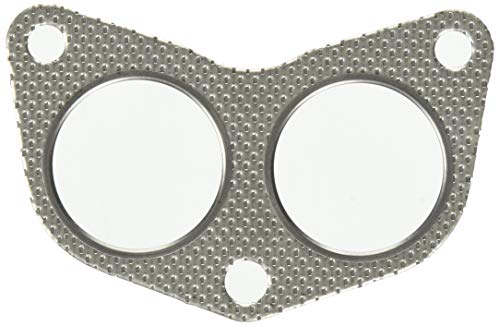
Genuine Subaru 44011AC030 Gasket, 1 Pack
| Exhaust Gasket | 2 |
44616AA200
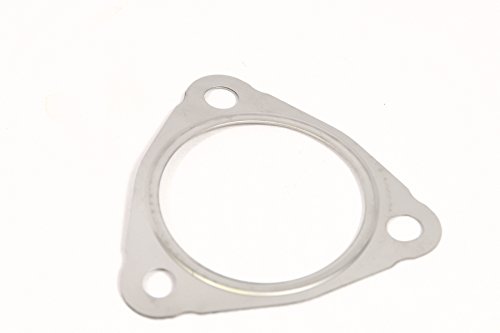
Subaru 2011-2019 Exhaust Catalytic Converter Center Gasket 44616AA200 Genuine OEM
| Center Pipe Gasket | 1 |
| 14035AA580 | Intake Gasket | 2 |
| 14852AA040 | EGR Pipe Gasket | 1 |
| 14738AA150 | 1 | |
| 806912190 | O-Ring, Chain Cover | 3 |
| 806924120 | 1 | |
| 806915100 | O-Ring, Tensioner >1/12 | 1 |
| 806916080 | O-Ring, Tensioner 2/12> | 1 |
10966AA040
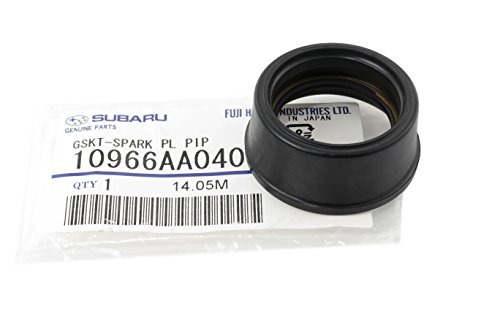
Subaru 2013-2024 Gasket Spark Plug Pipe Tube Seal DOHC 10966AA043 10966AA042 10966AA041 10966AA040 Ascent Brz Crosstrek Forester Impreza Legacy Outback Wrx
| Seal, Spark Plug Tube | 4 |
| 13270AA240 | Rocker Gasket | 1 |
| 13272AA170 | 1 | |
| 806915170 | O-Ring, Cam Carrier | 4 |
| 11044AA790 | Head Gasket | 1 |
| 10944AA080 | 1 | |
| 806932030 | O-Ring, Upper Oil Pan | 3 |
21236AA050

Genuine Subaru 21236AA050 Gskt Thermo, 1 Pack
| Thermostat Gasket | 1 |
| 806939060 | O-Ring, Crank Extension | 1 |
| 806750080
Sale
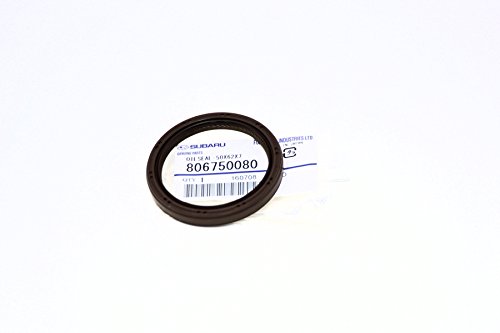
Subaru 2012-2024 WRX Crosstrek Impreza Front Cover Seal 806750080 Genuine
| Oil Seal, Front Crankshaft | 1 |
| 16608KA000 | Injector O-Rings | 4 |
16698AA110
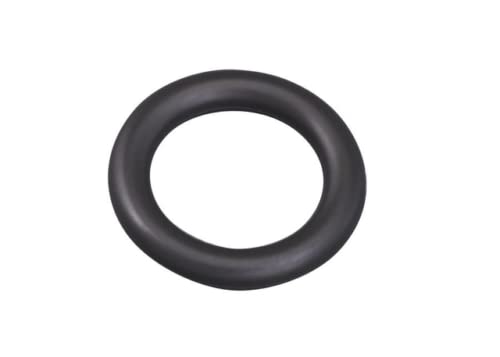
Genuine Subaru 16698AA110 O-Ring, 1 Pack
| 4 | |
15208AA15A

GENUINE SUBARU OIL FILTER -15208AA160/15208AA15A
| Oil Filter | 1 |
803916010

Dorman 095-142 Crush Drain Plug Gasket, Fits 3/4So, 13/16, M20
| Gasket, Drain Plug | 1 |
806933010
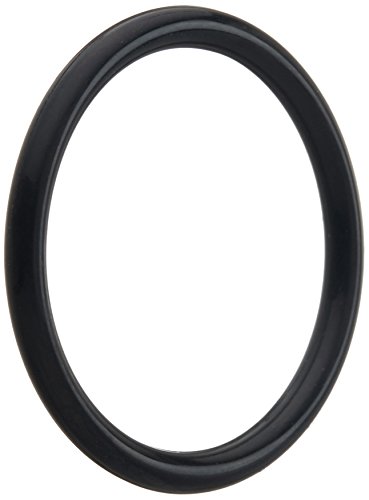
Subaru Water Tranfer Pipe Seal for Impreza WRX STi Turbo Forester Outback - 806933080 - Genuine OEM
| O-Ring, Coolant Cross-Over | 2 |
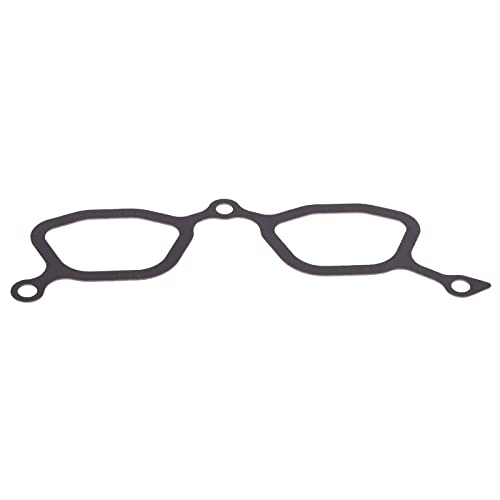
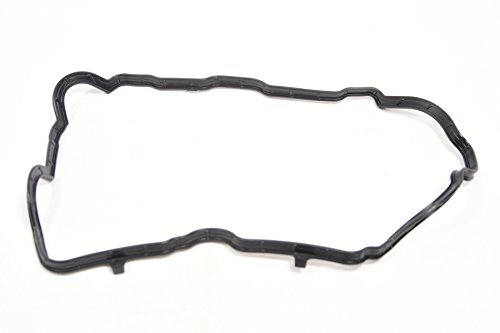
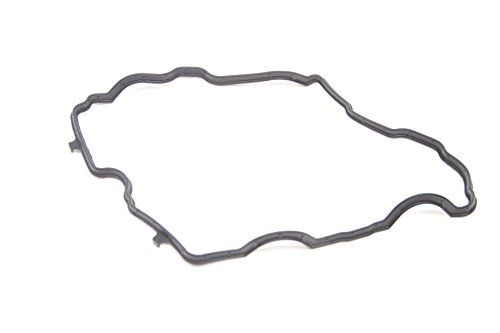

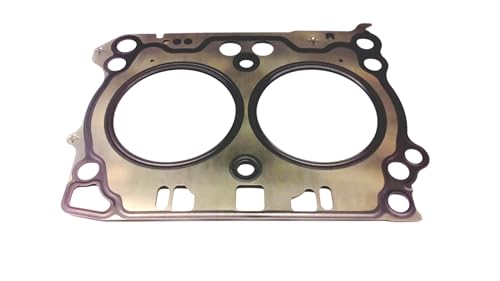
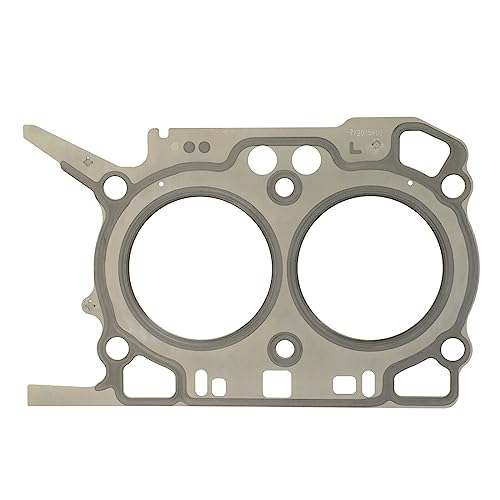
MISCELLANEOUS MATERIALS (WARRANTY PART NUMBERS)
| PART | DESCRIPTION | QUANTITY |
| SOA635065 | ThreeBond 1280B / 1217G | 1 |
| SOA635041 | Super Coolant, (qt.) | 8 |
| SOA635045 | Engine Oil (qt.) 0W-20 | 6 |
SERVICE PROCEDURE / INFORMATION
Before starting any repairs, the first step is to always confirm the customer’s complaint. It is critical to get as much information from the customer as possible to allow for the most accurate diagnosis.
- Review all the available service and repair history along with any other records the customer can provide to establish whether or not the vehicle has been properly maintained.
- Perform a thorough visual inspection to make sure there are no external oil leaks that could be contributing to the condition.
- It is also very important to not overlook the engine’s PCV system and to confirm it is operating properly. Check the air filter assembly and throttle body / intake manifold for any excessive oil residue which could be an indicator of a sticking or failed PCV valve.
NOTE: An oil consumption test will need to be completed to determine the proper course of action.
There is a specific procedure and Oil Consumption Test form to be used with this bulletin ONLY. IMPORTANT: As of 11/5/2013, a revised Oil Consumption Test form and new submission procedures have been established. This revised form is located on Subarunet>Service>Forms > NEW Consolidated Engine Oil Consumption Test. It includes a group of 5 questions which must be answered at the time the car is presented with an oil consumption concern where a
technician believes an oil consumption concern may exist. Once this questionnaire section of the form is completed, it must be faxed to 856-488-3199. Upon completion of the actual consumption test, the remainder of the form must be completed and faxed AGAIN to 856-488-3199. This information is being collected for quality assurance purposes only. You will not receive any response from these submissions. This is NOT an authorization process. Proceed with any necessary testing or repairs as indicated by the information provided in this service bulletin, the Oil Consumption Test form results, Subaru’s Claims Policies and Procedures, and your evaluation of the actual condition presented based upon your review of all three areas. Keep in mind, these repairs should only be completed when unusual oil consumption has been confirmed.
NOTE: If an oil consumption test was started using the standard oil consumption test form (old form) or if a consumption test using the standard form (old form) was recently completed, there is no need to start a new test. Compare the results from the standard (old) form to the TSB-specific oil consumption test form (new form) and proceed using the TSB-specific form’s guidelines. Submit the results collected on the standard form along with the completed top portion of the TSB-specific oil consumption test form to the fax number listed in the TSB-specific oil consumption test form. Retain copies of both forms in the repair order file for the vehicle. If you are unsure if the vehicle qualifies for repair or if additional oil consumption testing is required, contact the Subaru Technical Helpline to review this area before proceeding further.
Before initiating the consumption test, all basic checks must be completed. These include (but are not limited to): confirming the actual oil level, noting if oil has been added prior to this visit and how much, checking for any external leaks, confirming PCV operation, and verifying that a consumption test has not already been started or completed previously. Always use the latest TSB- specific oil consumption test form found on Subarunet in the Service Forms area. Fill out the top portion of the FB Engine Oil Control Ring TSB Oil Consumption Test Form then change the engine oil and filter. NOTE: The oil and filter change is only necessary if no prior consumption test has been completed or is already in process. There is no need for duplicate or repeat testing. One-time documented results are all that is required to move forward with these repairs. Always close the repair order on the day the oil change has been completed and submit the claim for the oil consumption test using the coding provided at the end of this bulletin. Indicate “Oil Consumption Test” in the comments field / box when entering your claim. DO NOT hold the repair order open until the vehicle returns. Have the customer drive the vehicle then return for inspection when either of the following have occurred:
- At least 1200 miles have elapsed
- When the oil level reaches the lower hole in the dipstick/ gauge (as determined by the customer).
The customer should be advised to not add oil unless there will be a significant delay before they can return for inspection once a low oil condition occurs. A one-time check of the oil consumption by the dealer is all that is needed to establish if the condition outlined in this bulletin applies.
In the event of reported sporadic engine oil consumption, if the vehicle usage pattern cannot be adjusted, it is recommended to suggest more frequent oil and filter changes to better accommodate the usage pattern and / or the customer’s preferences should they feel uncomfortable with checking the engine oil regularly and adding oil when necessary.
SPECIFIC PROCEDURES
The following information is provided to underscore procedures specific to the repairs outlined in this bulletin and are not meant to represent the entire repair process from start to finish. The procedures provided here are specific to certain steps in the overall process. In some cases, they will differ greatly from the Service Manual instructions and should be followed in place of the Service Manual for these specific areas only. For the balance of the repair procedure, refer to the Service Manual. It is highly recommended to review all of the Service Manual procedures for short block replacement then review these specific procedures to become familiar with the differences.
- When draining the engine oil, do not remove the engine oil filter. Leave the existing oil filter in place through engine disassembly, reassembly, installation and initial startup after engine reassembly.
- When removing the engine, there is no need to remove the transmission case cover (CVT only) or to disconnect / disturb any of the transmission harness connectors. While raising the transmission with the service jack placed under the front differential as shown in the illustration below, only raise it enough to access and remove the engine mounting hardware. Raising it too high can push the transmission up into the bulkhead / transmission tunnel and possibly cause damage.
- When removing the CVT fluid cooler, leave it attached to its mounting bracket and remove as an assembly (3 bolts) from the transmission. Disconnect just the engine coolant hoses from it and do not disturb the 2 short CVT fluid lines. Hook one of the cooler’s mounting bracket “ears” behind the bulkhead harness as shown in the photo below to keep the cooler assembly out of your way. Use a shop cloth between the “ear” and the bulkhead harness to prevent any chafing.
- To make separating the transmission (CVT) from the engine easier, there is a pry relief shown below in the machined mounting surface of the transmission case near the engine number. Use caution when applying any prying pressure and avoid twisting the tool to prevent case damage.
- Once the engine is removed, if you are using a generic engine stand (preferable since engine rotation is necessary), use the four mounting holes on the engine block shown below to mount it. NOTE: Do not use the mounting studs in the upper oil pan.
- When removing the intake manifold, as shown in the photos below, leave the TGV assemblies attached to the upper intake, remove the 2 nuts holding the EGR tube to the water pipe then remove the complete assembly from the cylinder heads as a unit.
- There is no need to remove the oil dipstick tube or the original oil filter from the front chain cover. While the cover is removed, store it face (front side) down to minimize the chances of damaging the machined sealing surface on the block / head side. Also, don’t use it as a tray to store other removed parts.
- IMPORTANT: After all 32 bolts securing the chain cover are removed, be EXTREMELY careful where you pry and what you pry on to break the silicone sealant’s bond. The photos below show an example of where NOT to pry. In this case, the cam cap became cracked requiring a complete cam carrier replacement. Patience is the key!
- Refer to the instructions found in the Technician Reference Booklet (TRB) for Technical Training Module 105: “Chain Driven Valve Train Boxer Engines” when removing and reassembling the timing chain components. The photos and instructions found in the TRB and provided below have shown to be preferable to those provided in the Service Manual.
- The timing chains driving the camshafts are identical and are provided with colored identification links used to align with component timing marks. Chain guides are also identical for the left and right banks. It is recommended to mark the parts as they are removed. Return them to their original positions during reassembly to maintain established wear patterns. Colors used for the identification links will vary.
- Begin timing chain removal by positioning the crankshaft keyway at the 6:00 position. The RIGHT bank intake camshaft timing mark (Δ) must be at 6:00 with right bank exhaust timing mark at 12:00 (camshafts will be unloaded).
- Compress the chain tensioner by hand, insert a pin through the lever into the access hole to lock the plunger in place then remove the 2 bolts, tensioner, guides and right side timing chain.
- After turning the crankshaft CLOCKWISE, repeat the procedure for the LEFT side with the timing marks (Δ) positioned as shown below. Align the crank sprocket keyway with RH chain dowel pin (shown in red below).
- Compress the chain tensioner by hand, insert a pin through the lever into the access hole to lock the plunger in place then remove the 2 bolts, tensioner, guides and the left side timing chain.
- After the left chain is removed, turn the crankshaft in a COUNTER CLOCKWISE direction until the timing mark on the crankshaft sprocket (NOT the keyway) is back to the 6:00 position as shown below. This positions all the pistons away from TDC and prevents accidental contact between the pistons and valves.
- Before proceeding, it is best to rotate the engine on the stand 90 degrees so it is vertical with one cylinder head facing up (head gasket surface horizontal).
- Remove the rocker cover then the cam carrier from the head that is “up”. Do not disturb the small camshaft end cap covers. Remove the cam carrier with the camshafts as an assembly. At this point, the rest of the valve train is sitting loose on the cylinder head. It is imperative all the rockers, selective lash caps and rocker pivots are returned to their original positions on the cylinder head during reassembly. TIP: An egg carton for each head makes a perfect organizer tray. Make sure to mark it as necessary (front, intake, exhaust) to eliminate any mixing of parts.
- Loosen the cylinder head bolts in proper order, remove the head, then flip the engine over and repeat the same steps for the opposite side.
- It is very important to take the time necessary to thoroughly clean the old silicone sealer from all the removed components before reassembly. It is a good idea to clean the surrounding areas then use tape to block off any oil passages in the front cover and cam carriers so any small bits of removed silicone debris are kept from entering the oil passages and possibly causing problems after reassembly. Once all the old sealer has been removed, remove any block-off tape, rinse out any oil passages thoroughly with brake cleaner and shop air.
- Don’t forget to clean (without removing) the filter screens in the cam carriers (one filter in each carrier). In addition, always be sure to do a thorough inspection and cleaning of the oil pan, pick-up tube and screen as shown in the photos below before reassembly.
IMPORTANT REMINDER: To eliminate possible confusion, it is strongly recommended to follow the timing chain reinstallation procedure outlined in this TSB and / or the Technician Reference Booklet (TRB) for Module 105: “Chain Driven Valve Train Boxer Engines” instead of the Service Manual procedure.
- To begin timing chain re-installation, turn the crankshaft COUNTER-CLOCKWISE until the crankshaft sprocket keyway is back to the 6:00 position. This positions the pistons away from TDC and prevents accidental contact with the valves. NOTE: The keyway is NOT a timing mark.
- Arrange the timing marks as shown below, turning the crankshaft CLOCKWISE into position. Align the indicator link with the timing mark on the crankshaft sprocket, keyway with the dowel pin.
- Align the indicator links to the timing marks found on the outside of the sprocket assemblies as shown in the photos below (Exhaust sprocket face images vary with / without exhaust VVT).
- Install the chain guides and tensioner. Once proper positioning has been confirmed, pull the pin to release the tensioner. With your hand, grab and squeeze the upper and lower chain / guides together as shown in the reference photo below to allow the plunger in the tensioner to fully extend and click into its furthest notch.
- If you have 3 notches showing, you want to get one more “click” so that 4 notches are visible as shown in the photos below. If you have 4 showing, you want to end up with 5. Whether you start with 3 or 4 will depend on the amount of wear present on the chains and guides. The number of clicks listed here is simply a guide. The point is to ensure proper initial chain tension is applied to avoid creating a brief rattle sound at engine start.
- If necessary, insert a plastic screwdriver handle between the lip of the block and the left side (B2) guide. Then, VERY CAREFULLY push down on the guide just enough to get the extra tensioner notch / “click”. When using this method, always make sure you are using plastic on plastic and NOT metal on plastic to avoid damaging the chain guides.
- Rotate the crankshaft COUNTER-CLOCKWISE until the crankshaft sprocket timing mark is at the 6:00 position. Position the cam sprocket timing marks as shown below; intake 6:00, exhaust 12:00.
- Same as the left side, align the indicator links to the timing marks found on the cam sprocket assemblies. Install the chain guides and tensioner. Once proper positioning has been confirmed, pull the pin to release the tensioner. With your hand, grab and squeeze the upper and lower left side chain / guides together to allow the plunger in the tensioner to extend fully and click into its furthest notch as shown in the previous (right side) photo. If necessary, insert a rubber-coated plier handle between the ledge area on the front of the block and the right side (B1) lower chain guide. Then, VERY CAREFULLY lift up on the guide just enough to get the extra “click” on the tensioner as shown in the photo below.
- IMPORTANT: When re-installing the front cover assembly, be very careful to not allow it to contact any of the timing sprockets. If contact does occur, it will most likely be with the exhaust sprockets and it is almost a guarantee the silicone sealer you have put on the front cover will be disturbed. If not properly addressed, that area will most likely be the source of an oil leak. Don’t hesitate to use a helper for the installation to prevent this.
- REMINDER: When replacing the short block, in addition to transferring the crankshaft position sensor, be sure to index the reluctor properly onto the crankshaft as shown in the photos below. The reluctor is indexed by a dowel pin in the rear crankshaft flange which aligns with a corresponding hole in the reluctor. It is possible to install the reluctor without indexing it correctly. Failure to index the reluctor correctly will result in a no-start condition due to an out of time crank position signal to the ECM.
- Once the engine is back in the car and filled with fluids, remove the fuel pump fuse and crank the engine over to prime the oiling system (for no more than 10 seconds at a time) until the oil pressure warning light goes out. Re-install the fuel pump fuse then run the engine initially with the original oil filter left on the front cover for approximately 5 minutes to catch any other remaining debris. Check for any leaks then install a new oil filter. Start the engine again and run it for another few minutes. Shut off the engine and let it cool down for at least five minutes. Re-check and top off the engine oil to the full mark on the dipstick before releasing the vehicle.
- It should be noted that some higher than expected oil consumption may occur initially following the repair for approximately the first 500 miles (or 1000 miles if the shortblock has been replaced) until the new piston rings become seated. While higher, this rate of consumption should not be severe. This will improve over time with driving until the expected consumption rate is achieved.
2 Affected Products
Vehicle
| MAKE | MODEL | YEAR |
| SUBARU | FORESTER | 2011-2012 |
1 Associated Document
Manufacturer Communications
NUMBER: 02-147-13R
DATE: 12/09/13
REVISED: 05/27/14
MC-10235842-9999.pdf 5535.985KB
NHTSA ID Number: 10233439
Manufacturer Communication Number: 0214713R
Summary
Pop Sound from Right Rear Wheel Apron Area
1 Associated Document
Manufacturer Communications
NUMBER: 02-147-13R
DATE: 12/09/13
REVISED: 03/20/14
MC-10233439-9999.pdf 1055.22KB
NHTSA ID Number: 10235910
Manufacturer Communication Number: 0214713
Summary
Revised Valve Train Parts to Reduce a Warm Engine Tapping or Sewing Machine type Sound from the Left Cylinder Head
1 Associated Document
Manufacturer Communications
NUMBER: 02-147-13
DATE: 10/28/13
MC-10235910-9999.pdf 474.837KB
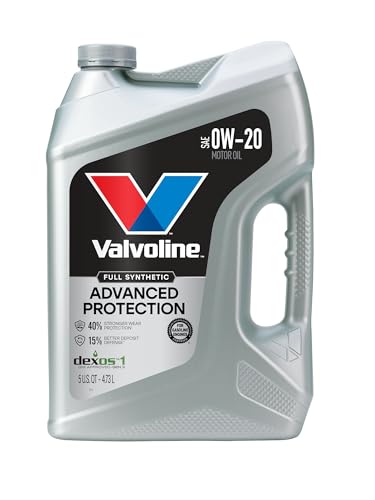
- Advanced protection against the four main causes of engine breakdown: wear friction heat and deposits
- Delivers 40% stronger wear protection than industry standards to reduce friction and improve fuel economy
- Provides 15% better deposit defense vs. industry standards, keeping engines cleaner for smoother performance and longer-lasting protection
- Up to 2.5X better heat protection vs. industry standards to fight harmful sludge formation and thermal breakdown
- Engineered for excellent low-temperature flow, reducing metal-to-metal contact during cold starts — when most engine wear typically occurs
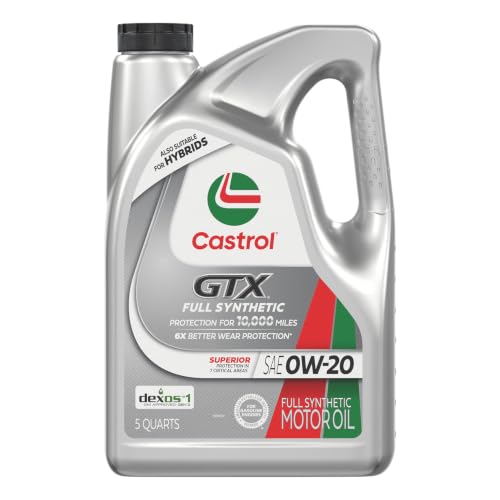
- 6X better wear protection on critical engine parts than industry standards**
- 1.3X better sludge protection than industry standards*
- 3X Stronger against viscosity breakdown than leading full synthetic^
- Protection for 10,000 miles between oil changes
- Meets or exceeds the following specifications: API SP/SN PLUS/SN | ILSAC GF-6 | GM dexos1 Gen 3 | Meets Ford WSS-M2C947-B1 | Meets Ford WSS-M2C962-A1 |
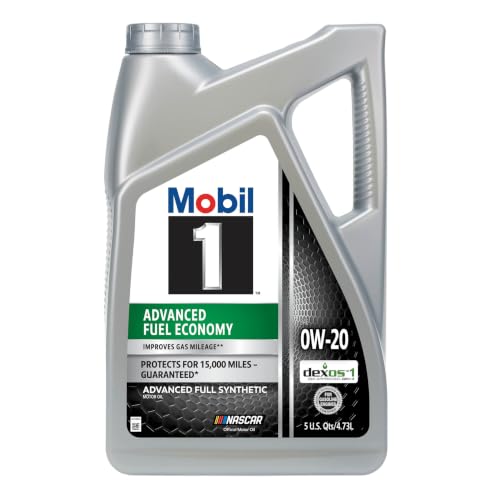
- Improves Gas Mileage***
- Helps increase engine efficiency
- Protects for 15,000 miles – guaranteed*
- Contains additives to help fight sludge
- Suitable for Hybrid vehicles

- High Mileage for engines 75,000+ miles
- Helps extend engine life of higher mileage vehicles
- Protects for 15,000 miles – guaranteed*
- Contains additives to help fight sludge
- Keeps your engine running like new

- 3X Stronger than the leading full synthetic*
- 10X Better high stress performance**
- 20,000 miles between oil changes***
- Viscosity breakdown as measured in Kurt Orbahn test on 5W-30 grade
- As measured in Seq IX test under high load/torque conditions vs. API SQ test limits
SEOCONTENT-START
Bulletin Number: 02-147-13R; Date: 05/27/14 Page 1 INTRODUCTION This bulletin provides information regarding a change made to the surface treatment applied to the oil control piston rings for 2.5L FB engines. The change was made as a result of some limited findings of unanticipated wear of these rings resulting from variations in cylinder roughness / finish. Since the root cause of the wear in this case is the variation in cylinder roughness/ finish, vehicles identified with this condition which are within the listed VIN range will require replacement of the engine short block. If affected by this condition, engine oil consumption will be consistently higher than normal and remain that way. Once this wear occurs, the condition remains until it is repaired. Unusual swings or variations in oil consumption are not consistent with this condition and may be the result of vehicle usage patterns rather than the condition described here. Additional information is supplied in this bulletin to assist with the assessment and determination if vehicle usage patterns are a reason for varying rates of oil consumption. It is critical to understand the nature of the concern as reported by the customer and to confirm any actual condition prior to attempting repairs. Some oil consumption can and should be expected as a by-product of engine operation where no concern exists. Failure to recognize this and correctly diagnose the condition presented can result in unnecessary repairs and in the worst case, an increase in oil consumption for the customer. The information supplied in this bulletin is only applicable to a limited number of vehicles within the specific production range of this publication exhibiting the condition(s) previously described. NOTE: It is important to read and understand this bulletin completely before starting an oil consumption test or initiating any repairs. Concerns related to a possible oil consumption condition are generally initiated when the customer believes the engine oil level on the dipstick has dropped since the last time it was checked. This type of complaint by itself does not directly indicate a concern with the vehicle exists. It is important to understand all the factors involved in order to make a sound decision regarding whether or not a repair is required or if an oil consumption test should even be started. When speaking with customers about a reported or suspected oil consumption concern, always keep the following in mind: NUMBER: 02-147-13R DATE: 12/09/13 REVISED: 05/27/14 APPLICABILITY: 2011-12 MY Forester Models with 2.5L FB Engines UP to and Including VIN C*411693 SUBJECT: Surface Treatment Change To Oil Control Piston Rings SERVICE BULLETIN ATTENTION: GENERAL MANAGER q PARTS MANAGER q CLAIMS PERSONNEL q SERVICE MANAGER q IMPORTANT – All Service Personnel Should Read and Initial in the boxes provided, right. Continued… CAUTION: VEHICLE SERVICING PERFORMED BY UNTRAINED PERSONS COULD RESULT IN SERIOUS INJURY TO THOSE PERSONS OR TO OTHERS. Subaru Service Bulletins are intended for use by professional technicians ONLY. They are written to inform those technicians of conditions that may occur in some vehicles, or to provide information that could assist in the proper servicing of the vehicle. Properly trained technicians have the equipment, tools, safety instructions, and know-how to do the job correctly and safely. If a condition is described, DO NOT assume that this Service Bulletin applies to your vehicle, or that your vehicle will have that condition. SUBARU OF AMERICA, INC. IS “ISO 14001 COMPLIANT” The international standard for excellence in Environmental Management Systems. Please recycle or dispose of automotive products in a manner that is friendly to our environment and in accordance with all local, state and federal laws and regulations. Bulletin Number: 02-147-13R; Date: 05/27/14 Page 2 Some engine oil will always be consumed as part of normal engine operation. How much and when it is consumed varies according to manufacturing tolerances, wear, and vehicle usage patterns. With the extended service intervals commonly used for today’s engines combined with one or more of the conditions listed below, typical engine oil consumption may require the adding of engine oil inbetween scheduled maintenance intervals. Higher than expected oil consumption may occur under any of the following conditions: • When the engine is new and within the break-in period (during the first 1000 miles of operation) • When the engine oil being used is of lower quality (other than “Energy or Resource Conserving” API Classification SM or SN or ILSAC, look for the starburst design with GF-4 or GF-5) • When the incorrect oil viscosity is used (viscosity other than 0W-20 in the case of these specific vehicles) • When engine braking is employed (Downshifting to make use of the transmission’s gear ranges to decelerate the vehicle by using the engine to apply braking force) • When the engine is operated at high engine speeds (Continually or under frequent and repetitive hard acceleration such as frequent freeway merging) • When the engine is operated under heavy loads (Frequent carrying of cargo, multiple passengers or trailer towing) • When the engine idles for long periods of time (Frequent use of a remote engine start system followed by some period of idling as an example) • When the vehicle is operated in stop and go and/or heavy traffic situations • When the vehicle is used under severe temperature conditions (Cold or hot) • When the vehicle accelerates and decelerates frequently • Frequent short-trips where the engine may not get up to full operating temperature. Under these or similar operating conditions, the oil level should be checked regularly. The engine oil and filter may also need to be changed more often. Oil remains suspended in the engine while running and will not fully drain back until the engine has been shut off for at least 5 minutes. This is why waiting at least 5 minutes while parked on a level surface before checking the oil level is critical to getting an accurate gauge of the oil level in the engine. Checking the oil level too quickly after engine shut down or when parked on an incline will result in a false low reading. Always confirm the oil level using the listed guides to ensure an accurate reading. NOTE: The engine’s specified oil capacity is 5.5 US quarts. PART INFORMATION • Replacement Short Block Assy. p.n. 10103AC460 has the updated piston rings installed at the time of manufacturing. PART SIZE PART NUMBER Short Block Assy. (New p.n.) 10103AC460 Continued… Bulletin Number: 02-147-13R; Date: 05/27/14 Page 3 The chart below provides a required part list for the short block replacement procedure as outlined in this bulletin. It is provided as a reference only. Always verify with your Parts Department the most up-to-date part numbers are ordered. PART NUMBER DESCRIPTION QTY. /REPAIR 11821AA660 PCV Adaptor 1 44011AC030 Exhaust Gasket 2 44616AA200 Center Pipe Gasket 1 14035AA580 Intake Gasket 2 14852AA040 EGR Pipe Gasket 1 14738AA150 1 806912190 O-Ring, Chain Cover 3 806924120 1 806915100 O-Ring, Tensioner >1/12 1 806916080 O-Ring, Tensioner 2/12> 1 10966AA040 Seal, Spark Plug Tube 4 13270AA240 Rocker Gasket 1 13272AA170 1 806915170 O-Ring, Cam Carrier 4 11044AA790 Head Gasket 1 10944AA080 1 806932030 O-Ring, Upper Oil Pan 3 21236AA050 Thermostat Gasket 1 806939060 O-Ring, Crank Extension 1 806750080 Oil Seal, Front Crankshaft 1 16608KA000 Injector O-Rings 4 16698AA110 4 15208AA15A Oil Filter 1 803916010 Gasket, Drain Plug 1 806933010 O-Ring, Coolant Cross-Over 2 MISCELLANEOUS MATERIALS (WARRANTY PART NUMBERS) PART DESCRIPTION QUANTITY SOA635065 ThreeBond 1280B / 1217G 1 SOA635041 Super Coolant, (qt.) 8 SOA635045 Engine Oil (qt.) 0W-20 6 Continued… Bulletin Number: 02-147-13R; Date: 05/27/14 Page 4 SERVICE PROCEDURE / INFORMATION Before starting any repairs, the first step is to always confirm the customer’s complaint. It is critical to get as much information from the customer as possible to allow for the most accurate diagnosis. • Review all the available service and repair history along with any other records the customer can provide to establish whether or not the vehicle has been properly maintained. • Perform a thorough visual inspection to make sure there are no external oil leaks that could be contributing to the condition. • It is also very important to not overlook the engine’s PCV system and to confirm it is operating properly. Check the air filter assembly and throttle body / intake manifold for any excessive oil residue which could be an indicator of a sticking or failed PCV valve. NOTE: An oil consumption test will need to be completed to determine the proper course of action. There is a specific procedure and Oil Consumption Test form to be used with this bulletin ONLY. IMPORTANT: As of 11/5/2013, a revised Oil Consumption Test form and new submission procedures have been established. This revised form is located on Subarunet>Service>Forms > NEW Consolidated Engine Oil Consumption Test. It includes a group of 5 questions which must be answered at the time the car is presented with an oil consumption concern where a technician believes an oil consumption concern may exist. Once this questionnaire section of the form is completed, it must be faxed to 856-488-3199. Upon completion of the actual consumption test, the remainder of the form must be completed and faxed AGAIN to 856-488-3199. This information is being collected for quality assurance purposes only. You will not receive any response from these submissions. This is NOT an authorization process. Proceed with any necessary testing or repairs as indicated by the information provided in this service bulletin, the Oil Consumption Test form results, Subaru’s Claims Policies and Procedures, and your evaluation of the actual condition presented based upon your review of all three areas. Keep in mind, these repairs should only be completed when unusual oil consumption has been confirmed. NOTE: If an oil consumption test was started using the standard oil consumption test form (old form) or if a consumption test using the standard form (old form) was recently completed, there is no need to start a new test. Compare the results from the standard (old) form to the TSB-specific oil consumption test form (new form) and proceed using the TSB-specific form’s guidelines. Submit the results collected on the standard form along with the completed top portion of the TSB-specific oil consumption test form to the fax number listed in the TSB-specific oil consumption test form. Retain copies of both forms in the repair order file for the vehicle. If you are unsure if the vehicle qualifies for repair or if additional oil consumption testing is required, contact the Subaru Technical Helpline to review this area before proceeding further. Before initiating the consumption test, all basic checks must be completed. These include (but are not limited to): confirming the actual oil level, noting if oil has been added prior to this visit and how much, checking for any external leaks, confirming PCV operation, and verifying that a consumption test has not already been started or completed previously. Always use the latest TSB- specific oil consumption test form found on Subarunet in the Service Forms area. Fill out the top portion of the FB Engine Oil Control Ring TSB Oil Consumption Test Form then change the engine oil and filter. NOTE: The oil and filter change is only necessary if no prior consumption test has been completed or is already in process. There is no need for duplicate or repeat testing. One-time documented results are all that is required to move forward with these repairs. Always close the repair order on the day the oil change has been completed and submit the claim for the oil consumption test using the coding provided at the end of this bulletin. Indicate “Oil Consumption Test” in the comments field / box when entering your claim. DO NOT hold the repair order open until the vehicle returns. Have the customer drive the vehicle then return for inspection when either of the following have occurred: • At least 1200 miles have elapsed • When the oil level reaches the lower hole in the dipstick/ gauge (as determined by the customer). Continued… Bulletin Number: 02-147-13R; Date: 05/27/14 Page 5 The customer should be advised to not add oil unless there will be a significant delay before they can return for inspection once a low oil condition occurs. A one-time check of the oil consumption by the dealer is all that is needed to establish if the condition outlined in this bulletin applies. In the event of reported sporadic engine oil consumption, if the vehicle usage pattern cannot be adjusted, it is recommended to suggest more frequent oil and filter changes to better accommodate the usage pattern and / or the customer’s preferences should they feel uncomfortable with checking the engine oil regularly and adding oil when necessary. SPECIFIC PROCEDURES The following information is provided to underscore procedures specific to the repairs outlined in this bulletin and are not meant to represent the entire repair process from start to finish. The procedures provided here are specific to certain steps in the overall process. In some cases, they will differ greatly from the Service Manual instructions and should be followed in place of the Service Manual for these specific areas only. For the balance of the repair procedure, refer to the Service Manual. It is highly recommended to review all of the Service Manual procedures for short block replacement then review these specific procedures to become familiar with the differences. • When draining the engine oil, do not remove the engine oil filter. Leave the existing oil filter in place through engine disassembly, reassembly, installation and initial startup after engine reassembly. • When removing the engine, there is no need to remove the transmission case cover (CVT only) or to disconnect / disturb any of the transmission harness connectors. While raising the transmission with the service jack placed under the front differential as shown in the illustration below, only raise it enough to access and remove the engine mounting hardware. Raising it too high can push the transmission up into the bulkhead / transmission tunnel and possibly cause damage. Continued… Bulletin Number: 02-147-13R; Date: 05/27/14 Page 6 • When removing the CVT fluid cooler, leave it attached to its mounting bracket and remove as an assembly (3 bolts) from the transmission. Disconnect just the engine coolant hoses from it and do not disturb the 2 short CVT fluid lines. Hook one of the cooler’s mounting bracket “ears” behind the bulkhead harness as shown in the photo below to keep the cooler assembly out of your way. Use a shop cloth between the “ear” and the bulkhead harness to prevent any chafing. • To make separating the transmission (CVT) from the engine easier, there is a pry relief shown below in the machined mounting surface of the transmission case near the engine number. Use caution when applying any prying pressure and avoid twisting the tool to prevent case damage. Continued… Bulletin Number: 02-147-13R; Date: 05/27/14 Page 7 • Once the engine is removed, if you are using a generic engine stand (preferable since engine rotation is necessary), use the four mounting holes on the engine block shown below to mount it. NOTE: Do not use the mounting studs in the upper oil pan. • When removing the intake manifold, as shown in the photos below, leave the TGV assemblies attached to the upper intake, remove the 2 nuts holding the EGR tube to the water pipe then remove the complete assembly from the cylinder heads as a unit. • There is no need to remove the oil dipstick tube or the original oil filter from the front chain cover. While the cover is removed, store it face (front side) down to minimize the chances of damaging the machined sealing surface on the block / head side. Also, don’t use it as a tray to store other removed parts. Continued… Bulletin Number: 02-147-13R; Date: 05/27/14 Page 8 • IMPORTANT: After all 32 bolts securing the chain cover are removed, be EXTREMELY careful where you pry and what you pry on to break the silicone sealant’s bond. The photos below show an example of where NOT to pry. In this case, the cam cap became cracked requiring a complete cam carrier replacement. Patience is the key! • Refer to the instructions found in the Technician Reference Booklet (TRB) for Technical Training Module 105: “Chain Driven Valve Train Boxer Engines” when removing and reassembling the timing chain components. The photos and instructions found in the TRB and provided below have shown to be preferable to those provided in the Service Manual. • The timing chains driving the camshafts are identical and are provided with colored identification links used to align with component timing marks. Chain guides are also identical for the left and right banks. It is recommended to mark the parts as they are removed. Return them to their original positions during reassembly to maintain established wear patterns. Colors used for the identification links will vary. Reference View Rear View Chain Cover Prying on “Unsupported” Corner of Cam Cap Continued… Bulletin Number: 02-147-13R; Date: 05/27/14 Page 9 • Begin timing chain removal by positioning the crankshaft keyway at the 6:00 position. The RIGHT bank intake camshaft timing mark (Δ) must be at 6:00 with right bank exhaust timing mark at 12:00 (camshafts will be unloaded). • Compress the chain tensioner by hand, insert a pin through the lever into the access hole to lock the plunger in place then remove the 2 bolts, tensioner, guides and right side timing chain. • After turning the crankshaft CLOCKWISE, repeat the procedure for the LEFT side with the timing marks (Δ) positioned as shown below. Align the crank sprocket keyway with RH chain dowel pin (shown in red below). • Compress the chain tensioner by hand, insert a pin through the lever into the access hole to lock the plunger in place then remove the 2 bolts, tensioner, guides and the left side timing chain. • After the left chain is removed, turn the crankshaft in a COUNTER CLOCKWISE direction until the timing mark on the crankshaft sprocket (NOT the keyway) is back to the 6:00 position as shown below. This positions all the pistons away from TDC and prevents accidental contact between the pistons and valves. Dowel Pin Continued… 6:00 12:00 6:00 8:00 1:00 Identification Link Bulletin Number: 02-147-13R; Date: 05/27/14 Page 10 • Before proceeding, it is best to rotate the engine on the stand 90 degrees so it is vertical with one cylinder head facing up (head gasket surface horizontal). • Remove the rocker cover then the cam carrier from the head that is “up”. Do not disturb the small camshaft end cap covers. Remove the cam carrier with the camshafts as an assembly. At this point, the rest of the valve train is sitting loose on the cylinder head. It is imperative all the rockers, selective lash caps and rocker pivots are returned to their original positions on the cylinder head during reassembly. TIP: An egg carton for each head makes a perfect organizer tray. Make sure to mark it as necessary (front, intake, exhaust) to eliminate any mixing of parts. • Loosen the cylinder head bolts in proper order, remove the head, then flip the engine over and repeat the same steps for the opposite side. • It is very important to take the time necessary to thoroughly clean the old silicone sealer from all the removed components before reassembly. It is a good idea to clean the surrounding areas then use tape to block off any oil passages in the front cover and cam carriers so any small bits of removed silicone debris are kept from entering the oil passages and possibly causing problems after reassembly. Once all the old sealer has been removed, remove any block-off tape, rinse out any oil passages thoroughly with brake cleaner and shop air. Timing Mark Crankcase Seam Continued… Bulletin Number: 02-147-13R; Date: 05/27/14 Page 11 Continued… • Don’t forget to clean (without removing) the filter screens in the cam carriers (one filter in each carrier). In addition, always be sure to do a thorough inspection and cleaning of the oil pan, pick-up tube and screen as shown in the photos below before reassembly. IMPORTANT REMINDER: To eliminate possible confusion, it is strongly recommended to follow the timing chain reinstallation procedure outlined in this TSB and / or the Technician Reference Booklet (TRB) for Module 105: “Chain Driven Valve Train Boxer Engines” instead of the Service Manual procedure. • To begin timing chain re-installation, turn the crankshaft COUNTER-CLOCKWISE until the crankshaft sprocket keyway is back to the 6:00 position. This positions the pistons away from TDC and prevents accidental contact with the valves. NOTE: The keyway is NOT a timing mark. Keyway Timing Mark Cam Carrier Filter Screen Oil Pick Up Tube/Filter Screen Assembly Bulletin Number: 02-147-13R; Date: 05/27/14 Page 12 • Arrange the timing marks as shown below, turning the crankshaft CLOCKWISE into position. Align the indicator link with the timing mark on the crankshaft sprocket, keyway with the dowel pin. • Align the indicator links to the timing marks found on the outside of the sprocket assemblies as shown in the photos below (Exhaust sprocket face images vary with / without exhaust VVT). • Install the chain guides and tensioner. Once proper positioning has been confirmed, pull the pin to release the tensioner. With your hand, grab and squeeze the upper and lower chain / guides together as shown in the reference photo below to allow the plunger in the tensioner to fully extend and click into its furthest notch. Continued… Timing Marks Aligned With Indicator Links Intake and Exhaust VVT Sprocket No VVT Exhaust Sprocket Bulletin Number: 02-147-13R; Date: 05/27/14 Page 13 • If you have 3 notches showing, you want to get one more “click” so that 4 notches are visible as shown in the photos below. If you have 4 showing, you want to end up with 5. Whether you start with 3 or 4 will depend on the amount of wear present on the chains and guides. The number of clicks listed here is simply a guide. The point is to ensure proper initial chain tension is applied to avoid creating a brief rattle sound at engine start. • If necessary, insert a plastic screwdriver handle between the lip of the block and the left side (B2) guide. Then, VERY CAREFULLY push down on the guide just enough to get the extra tensioner notch / “click”. When using this method, always make sure you are using plastic on plastic and NOT metal on plastic to avoid damaging the chain guides. Continued… Plastic screw driver handle inserted between front lip of the block and the B2 upper chain guide VERY CAREFULLY pushing downward on the upper guide. Bulletin Number: 02-147-13R; Date: 05/27/14 Page 14 • Rotate the crankshaft COUNTER-CLOCKWISE until the crankshaft sprocket timing mark is at the 6:00 position. Position the cam sprocket timing marks as shown below; intake 6:00, exhaust 12:00. • Align the indicator link with the timing mark on the crankshaft sprocket as shown below. • Same as the left side, align the indicator links to the timing marks found on the cam sprocket assemblies. Install the chain guides and tensioner. Once proper positioning has been confirmed, pull the pin to release the tensioner. With your hand, grab and squeeze the upper and lower left side chain / guides together to allow the plunger in the tensioner to extend fully and click into its furthest notch as shown in the previous (right side) photo. If necessary, insert a rubber-coated plier handle between the ledge area on the front of the block and the right side (B1) lower chain guide. Then, VERY CAREFULLY lift up on the guide just enough to get the extra “click” on the tensioner as shown in the photo below. Continued… 6:00 12:00 Rubber-coated plier handle inserted between a ledge area on the front of the block and the B1 lower chain guide VERY CAREFULLY lifting upward on the lower guide. Bulletin Number: 02-147-13R; Date: 05/27/14 Page 15 • IMPORTANT: When re-installing the front cover assembly, be very careful to not allow it to contact any of the timing sprockets. If contact does occur, it will most likely be with the exhaust sprockets and it is almost a guarantee the silicone sealer you have put on the front cover will be disturbed. If not properly addressed, that area will most likely be the source of an oil leak. Don’t hesitate to use a helper for the installation to prevent this. • REMINDER: When replacing the short block, in addition to transferring the crankshaft position sensor, be sure to index the reluctor properly onto the crankshaft as shown in the photos below. The reluctor is indexed by a dowel pin in the rear crankshaft flange which aligns with a corresponding hole in the reluctor. It is possible to install the reluctor without indexing it correctly. Failure to index the reluctor correctly will result in a no-start condition due to an out of time crank position signal to the ECM. • Once the engine is back in the car and filled with fluids, remove the fuel pump fuse and crank the engine over to prime the oiling system (for no more than 10 seconds at a time) until the oil pressure warning light goes out. Re-install the fuel pump fuse then run the engine initially with the original oil filter left on the front cover for approximately 5 minutes to catch any other remaining debris. Check for any leaks then install a new oil filter. Start the engine again and run it for another few minutes. Shut off the engine and let it cool down for at least five minutes. Re-check and top off the engine oil to the full mark on the dipstick before releasing the vehicle. • It should be noted that some higher than expected oil consumption may occur initially following the repair for approximately the first 500 miles (or 1000 miles if the shortblock has been replaced) until the new piston rings become seated. While higher, this rate of consumption should not be severe. This will improve over time with driving until the expected consumption rate is achieved. WARRANTY / CLAIM INFORMATION For vehicles within the Basic New Car Limited and/or Powertrain Warranty, this repair may be claimed using the following information: LABOR DESCRIPTION LABOR OPERATION # FAIL CODE LABOR TIME 4AT 5MT Oil Consumption Test including: Oil & Filter Change, Oil Leak & PCV System Inspection A295-308 AFU-86 0.5 Engine R&R & Short Block Replacement A295-341 AFT-48 11.9 11.4
SEOCONTENT-END
This product presentation was made with AAWP plugin.